

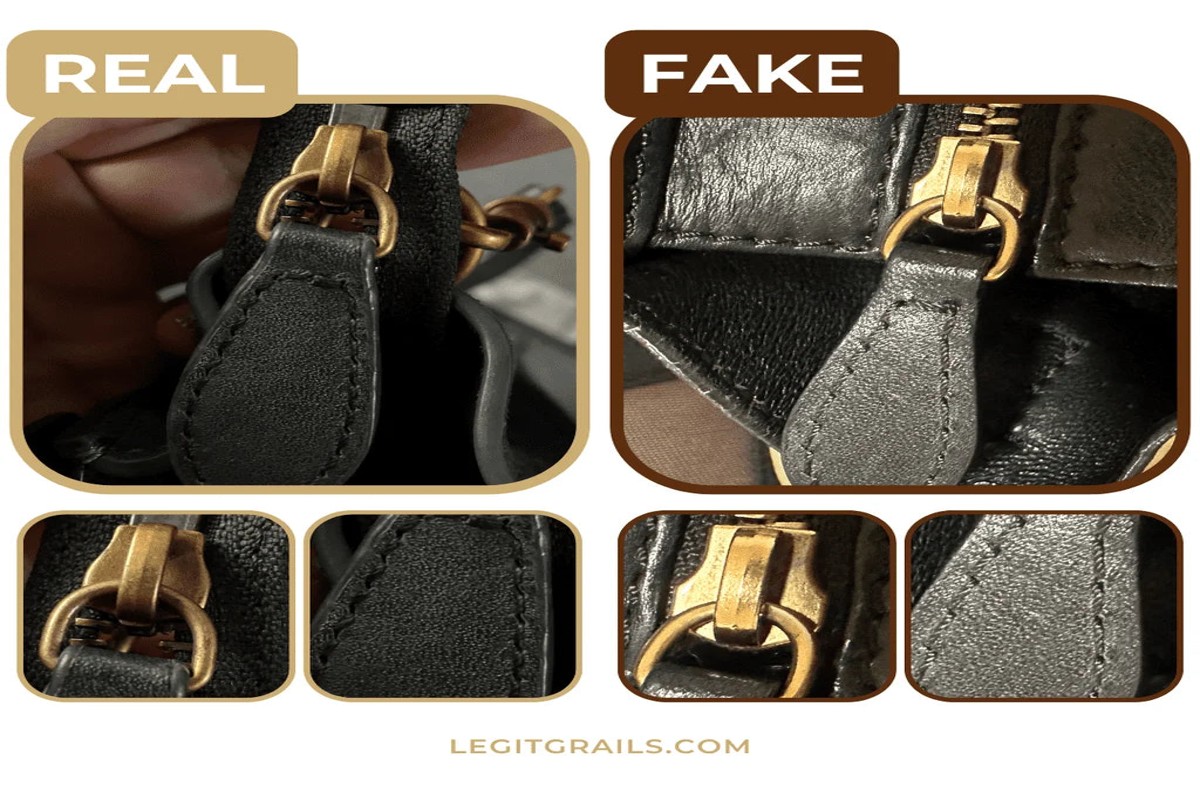
How to spot a fake designer bag involves examining various attributes like craftsmanship, materials, and logos. Knowing these details matters because it helps you avoid spending money on counterfeit items that lack quality.
Imagine finding a stunning designer bag at a bargain price, only to realize it’s fake. By learning how to identify authentic pieces, you can make informed purchases and protect your investment in luxury fashion.
Craftsmanship is one of the most telling indicators of a bag’s authenticity. When you know what to look for, you can spot the differences between genuine designer bags and their knock-offs.
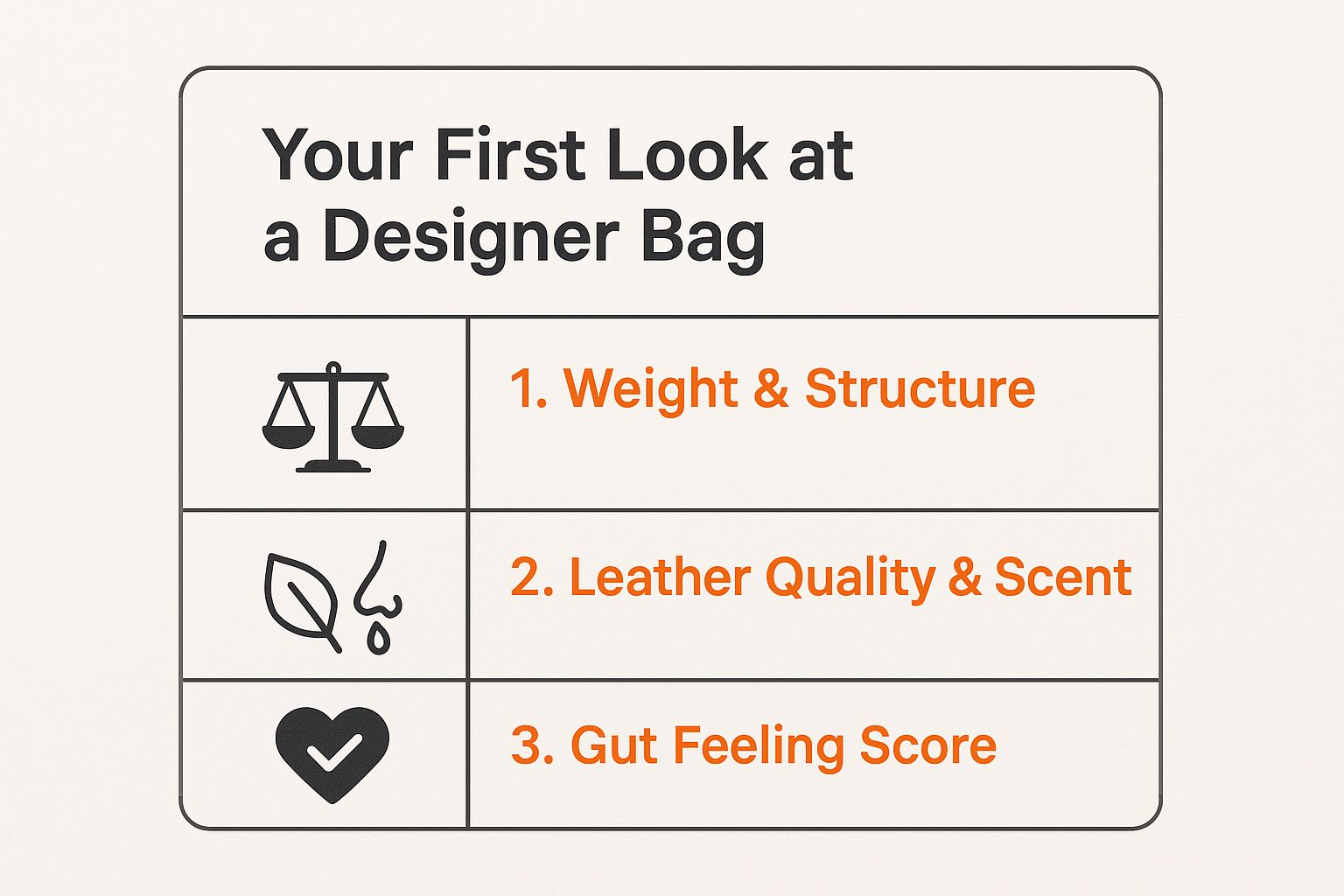
Examine the Craftsmanship
Authentic designer bags are known for their exceptional craftsmanship. You’ll want to closely inspect the stitching, hardware, and overall finish to determine if a bag is real or fake.
First off, check the stitching quality. Real designer bags have precise, even stitches that are tight and consistent. If you see loose threads or uneven stitching, that’s a red flag. For example, a popular luxury brand often uses a specific thread color that matches their logo—if the color seems off, you might be looking at a counterfeit.
Next, consider the weight of the hardware. Genuine designer bags use high-quality metals that feel substantial. If the hardware feels lightweight or flimsy, it’s likely not the real deal. For instance, the clasps on a high-end bag should have a satisfying heft to them, unlike cheaper alternatives that feel almost hollow.
Finally, pay attention to the overall finish of the bag. Authentic designer bags have a polished look with attention to detail. Look for smooth edges and uniform colors without any splotches or inconsistencies. A bag that appears shiny and well-maintained usually indicates quality, while a dull or uneven finish can signal a fake.
When you’re out shopping, take a moment to admire the craftsmanship. You might even find yourself appreciating the artistry that goes into creating a beautiful designer bag. Keep these points in mind, and you’ll be well on your way to learning how to spot a fake designer bag.
When you’re on the hunt for a designer bag, one of the first things to scrutinize is the materials used. Authentic bags are crafted with care, and understanding what to look for can help you avoid fakes.

Check the Materials Used
The type and quality of materials can be a dead giveaway when determining if a designer bag is real or fake. Genuine designer brands use high-quality leather and fabrics that not only feel luxurious but also have distinct characteristics.
First, let’s talk about leather. Authentic designer bags are typically made from premium leather, which has a soft, supple feel. If the bag feels stiff or overly shiny, it’s likely a fake. For example, a real Louis Vuitton bag should have a rich texture and a natural finish, while a replica might feel plastic-like.
Next up, fabric quality matters too. High-end brands often use unique materials or blends that are not easy to replicate. Look for consistent stitching and even patterns in the fabric; any irregularities can be a sign of a counterfeit. If you notice loose threads or uneven seams, that’s a red flag.
Lining Details
Don’t forget to check the lining of the bag. Genuine designer bags typically have a high-quality lining, often made from silk or a soft fabric that adds to the overall luxury feel. If the lining feels cheap or looks like it’s going to fray at any moment, you might want to think twice. For instance, Chanel bags often feature a quilted lining that feels plush and premium, setting it apart from imitations.
When you’re assessing a bag, take a moment to run your fingers along the materials and inspect the details closely. If you can confidently identify the quality of the materials used, you’ll be well on your way to knowing how to spot a fake designer bag. Don’t rush—real luxury is all about the finer details!
When it comes to spotting a fake designer bag, one of the first things you should examine is the brand logo and internal labels. These elements can reveal a lot about the authenticity of the bag. So, let’s break down what to look for.
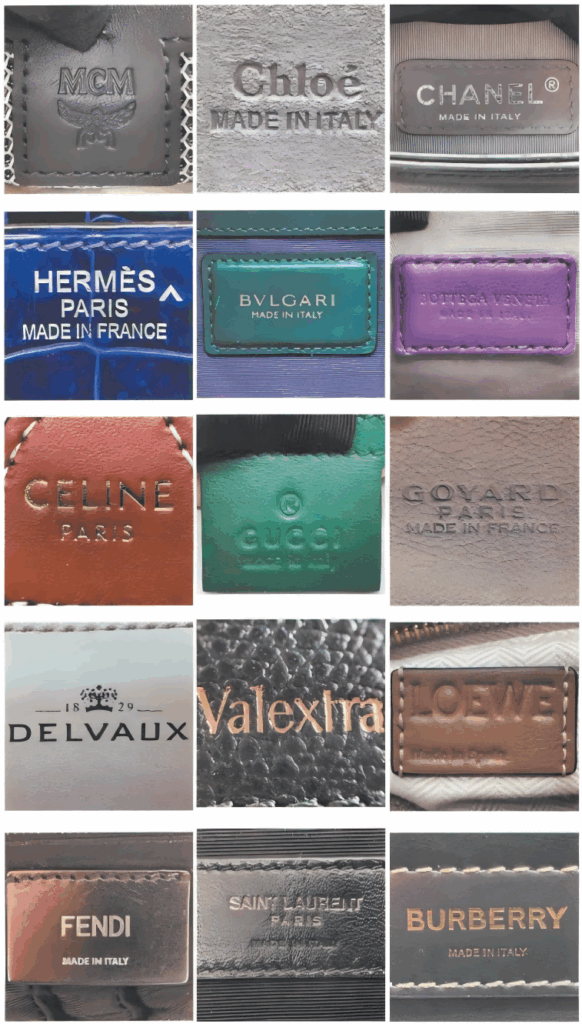
Analyze the Brand Logo and Labels
The brand logo is often the most recognizable part of a designer bag. If you know what to look for, it can help you identify whether you have a genuine piece in your hands or a cleverly crafted fake.
Start by assessing the font style used in the logo. Authentic designer bags usually have a specific typeface that’s consistent across all their products. If the font looks off—too thick, too thin, or just doesn’t match what you know—the bag might not be real. For instance, Louis Vuitton has a distinct font that’s hard to replicate, so any variation can be a red flag.
Next, check the logo placement. Genuine designer bags have precise positioning for their logos. If the logo is too high, too low, or misaligned, that’s a sign you might be looking at a counterfeit. Take the time to compare it with images of authentic bags from the brand’s official website. This small detail can make a big difference.
Don’t forget to look at the internal labels. These tags often carry information about the bag’s origin and care instructions. The stitching on the labels should be neat and consistent. If you see loose threads or sloppy stitching, that’s another clue indicating a fake. Authentic bags usually have high-quality tags made from durable materials.
Compare with Official Sources
While you’re at it, consider using official sources for comparison. Many designer brands showcase their logos and labels on their websites or in their marketing materials. This way, you can easily spot inconsistencies.
- Font style should match perfectly with brand specifications.
- Logo placement must be exact; even a slight deviation is suspicious.
- Internal labels should have high-quality stitching and materials.
When you’re on the hunt for how to spot a fake designer bag, remember that the details matter. A little diligence in examining the logo and labels can save you from making a costly mistake. Always trust your instincts—if something feels off, it probably is.
When investing in a designer bag, knowing how to spot a fake designer bag is essential. One of the most reliable methods is to check for serial numbers and authenticity cards. These details can make or break your confidence in your purchase.

Look for Serial Numbers and Authenticity Cards
Serial numbers and authenticity cards serve as proof that your designer bag is the real deal. Many high-end brands include these features to help you verify authenticity. If you can’t find them, you might want to reconsider your purchase.
First, let’s talk about serial numbers. You’ll usually find these stitched inside the bag, often on a tag or directly on the lining. Depending on the brand, they can vary in length and format. For example, Louis Vuitton bags have a date code that indicates where and when the bag was made, while Gucci uses a serial number that’s typically found on a leather tag. Always compare the location and format with official brand resources for accuracy.
Next, authenticity cards are another key element. They often come with the bag and include details like the brand logo, the bag’s style number, and sometimes even a hologram for verification. Make sure the card matches the bag’s serial number and that both are consistent with other authentic items from the same brand. Some brands, like Prada, have specific designs for their authenticity cards that are hard to replicate.
To verify these elements, you can also seek help from online resources. Many brands have official websites where you can cross-check serial numbers against their records. You can also visit luxury resale sites that offer authentication services. Just remember, if you’re buying from a private seller, ask for proof of authenticity beforehand.
When shopping for a designer bag, don’t hesitate to ask the seller about these features. A genuine seller will have no problem providing you with the necessary information. Plus, if they’re hesitant, that’s a red flag. For instance, if you’re eyeing a Chanel bag and the seller can’t produce the authenticity card or the serial number doesn’t match what’s listed online, it’s better to walk away.
Always trust your instincts and do thorough research. Knowing how to spot a fake designer bag isn’t just about catching fakes; it’s about ensuring you get your money’s worth and a beautiful piece that lasts. Happy shopping!
When you’re on the hunt for a designer bag, buying from a reputable seller can save you a lot of headaches. A solid reputation often means the difference between scoring the real deal and getting stuck with a fake. Let’s dive into how you can research a seller’s reputation effectively.
Research the Seller’s Reputation
Before making a purchase, take a moment to look into the seller’s background. A trustworthy seller should have a solid online presence and good reviews. This will help you avoid potential scams and ensure you’re investing in an authentic piece.
Start by checking online reviews. Platforms like Google, Yelp, or even social media can provide insights into previous customers’ experiences. If you see more negative comments than positive ones, that’s a red flag. You want to shop from someone who has a track record of satisfied buyers.
Next, verify the seller’s credentials. If they’re a boutique or an online shop, look for industry certifications and affiliations. Established sellers often display their credentials on their websites. For instance, a verified seller may have partnerships with luxury brands, indicating their legitimacy.
Don’t hesitate to ask about their return policy. A reputable seller will usually have a clear and fair return policy in place. If they don’t allow returns or offer vague information, you might want to think twice. For example, if a seller claims to sell authentic luxury goods but only allows exchanges and no returns, that’s a major red flag.
Imagine you find a stunning designer bag online for a price that seems too good to be true. You check the seller’s reviews and discover a mix of positive feedback but also several complaints about counterfeits. This insight can save you from making a regrettable purchase.
Trust your instincts when shopping. If something feels off or you can’t find enough information about the seller, it’s better to walk away. Always prioritize your investment in a genuine piece over a bargain deal that could leave you disappointed.
When searching for a designer bag, the price can be one of the most telling factors in determining its authenticity. If the deal seems too good to be true, it probably is.
Know the Pricing Standards
Understanding the typical price range for a designer bag is crucial. If you come across a luxury handbag priced significantly lower than market value, you should be on high alert.
Start by comparing the market prices of the bag you’re interested in. Visit reputable retailers or the brand’s official website to get a baseline. If you find a seller offering the same bag for a fraction of the price, it’s a major red flag. For example, if a classic Chanel flap bag usually retails for $5,000 and you spot one for $1,500, question the authenticity.
Discounts can also be misleading. While sales do happen, deep discounts on high-end bags are rare. Be cautious of any seller offering steep markdowns that seem too generous. Authentic designer pieces hold their value; significant price cuts often indicate a counterfeit or a desperate seller.
Limited editions bring their own set of pricing standards. These bags typically have higher price points due to their rarity. If you find a limited edition bag priced similarly to a regular model, that should raise some eyebrows. Authentic limited editions often sell out quickly and resell for even higher prices, so anything below the expected range could signal a fake.
As you assess a designer bag, always consider the price in context. A bag that’s being offered at an unusually low price should send you to do more research. Trust your instincts, and don’t rush into a purchase. After all, a little extra caution can save you from a costly mistake.
