


How long do handbags last? It depends on various factors such as material, usage, and care. On average, a well-maintained handbag can last for several years.
For instance, leather handbags may endure longer than fabric ones, especially if cared for properly. Regular cleaning and avoiding harsh environments can significantly extend their lifespan.
Handbags can be a stylish investment, but how long do handbags last? The lifespan of your favorite bag depends on a few key factors, and understanding them can help you make better choices when buying or caring for your handbags.

Factors Influencing Handbag Lifespan
Several elements play a crucial role in determining how long your handbag will remain in good condition. From the materials used in its construction to how often you use and care for it, each aspect impacts its durability and longevity.
First up is the material quality. Handbags can be made from a variety of materials, including leather, canvas, and synthetic fabrics. High-quality leather handbags, for instance, can last for years if properly cared for. On the other hand, a bag made from lighter materials may not stand the test of time, especially with frequent use.
Next, consider how often you use your handbag. If you’re the type who carries the same bag every day, it’s going to experience more wear and tear compared to one that you rotate occasionally. Think about it this way: a daily commuter bag might show signs of aging much faster than a special occasion clutch that gets pulled out only once in a while.
Care and maintenance also play a vital role. Regular cleaning, proper storage, and occasional conditioning can significantly enhance the lifespan of your handbag. For instance, if you spill something on your bag, cleaning it immediately can prevent stains and damage. Neglecting these simple maintenance tasks might lead to premature aging and deterioration.
To get the most out of your handbags, always pay attention to the material, how frequently you use them, and how well you care for them. A little effort goes a long way in extending the life of your favorite accessories.
When it comes to handbags, the material plays a crucial role in determining how long they last. Understanding the different fabrics can help you make a more informed choice for your next purchase.
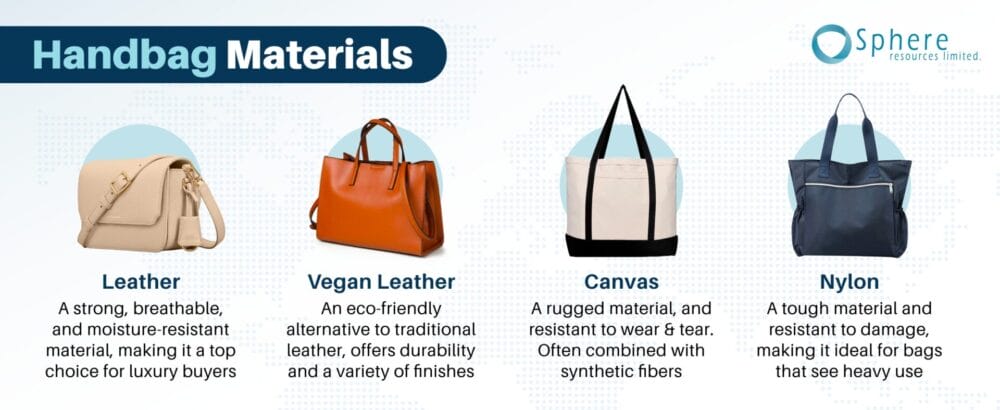
Common Handbag Materials and Their Durability
Handbags come in a variety of materials, each with its unique strengths and weaknesses. The durability of your handbag often depends on the fabric used, so let’s take a closer look at some of the most common options.
Leather is a classic choice for handbags, and for good reason. It’s strong, flexible, and can develop a beautiful patina over time. A well-cared-for leather handbag can last for decades, often becoming a cherished heirloom. Just think about your mom or grandma’s vintage leather purse—it’s likely still in great condition!
Canvas is another popular material, especially for casual bags. It’s lightweight and often machine washable, which makes maintenance a breeze. However, while canvas can stand up to daily wear, it doesn’t have the same longevity as leather. With proper care, you can expect a canvas handbag to last a few years, but it won’t typically withstand the test of time as well as leather.
Synthetic fabrics, like nylon or polyester, are often used in trendy and budget-friendly handbags. These materials are generally water-resistant and easy to clean, which is a plus for everyday use. But, they can wear down more quickly than leather or canvas. You might find that a synthetic handbag lasts a couple of years before showing significant signs of wear and tear.
When choosing a handbag, consider your lifestyle and how much wear it will get. If you’re looking for something that’ll last, investing in a quality leather bag might be the way to go. But if you’re after something fun for a season, a canvas or synthetic option could fit the bill just fine.
Taking care of your handbag is essential if you want it to last. With a bit of attention, you can keep it looking new and stylish for years to come.

How to Properly Care for Your Handbag
Proper care can significantly extend the life of your handbag. From regular cleaning to smart storage, a few simple practices can make all the difference.
Start with regular cleaning. Dust and dirt can accumulate on your handbag, especially if you use it daily. Wipe it down with a soft cloth to remove any grime. For deeper cleaning, follow the manufacturer’s guidelines. For instance, leather bags might need special leather cleaners, while fabric bags can often be spot cleaned.
Next up is proper storage. When you’re not using your handbag, store it in a cool, dry place. You could use a dust bag or even wrap it in a soft cloth to keep it protected. Avoid hanging it on hooks, as this can distort its shape over time. For example, if you have a structured handbag, storing it upright will help maintain its form.
Lastly, avoid overloading your handbag. It’s tempting to stuff it with essentials, but carrying too much weight can strain the seams and straps. Keep it light and only carry what you need. This not only protects the bag but also makes it more comfortable to carry around.
By following these simple care tips, you’ll not only enhance the longevity of your handbag but also enjoy using it more. Remember, a little maintenance goes a long way in ensuring your bag lasts for years. So, next time you reach for your handbag, think about how long do handbags last and what you can do to keep yours in tip-top shape.
Knowing when to replace your handbag can save you from carrying around a worn-out accessory. You’ll want to keep an eye out for certain signs that indicate it’s time for an upgrade.

Signs Your Handbag Needs Replacement
Handbags can be a significant investment, and recognizing when to replace them is essential for maintaining your style. Here are a few key indicators that it’s time to consider a new handbag.
First off, visible wear and tear can be a clear sign. If you notice fraying, fading, or scuff marks, your handbag may be past its prime. For instance, if the corners of your favorite tote are starting to look more like a scruffy old sack than a chic accessory, you might want to rethink your choice.
Another red flag is broken hardware. Zippers that won’t zip, buckles that won’t buckle, or handles that are hanging by a thread can turn your beloved handbag into a frustrating burden. Imagine you’re out and about, and your zipper breaks; suddenly, your essentials are at risk of spilling out. That’s definitely not ideal.
Lastly, consider the loss of shape. A handbag that’s lost its structure can look sloppy, no matter how trendy it once was. If your once-stylish bag is now sagging and drooping, it might be time to invest in something new. A well-defined shape is key to a polished look.
When assessing how long do handbags last, think about these signs. If you notice one or more of them, don’t hesitate to treat yourself to a replacement. A fresh handbag can breathe new life into your wardrobe and elevate your overall style.
When it comes to handbags, you might wonder about the difference between high-end designer bags and budget-friendly options. The lifespan of these bags can vary significantly due to factors like quality, price, and overall craftsmanship.
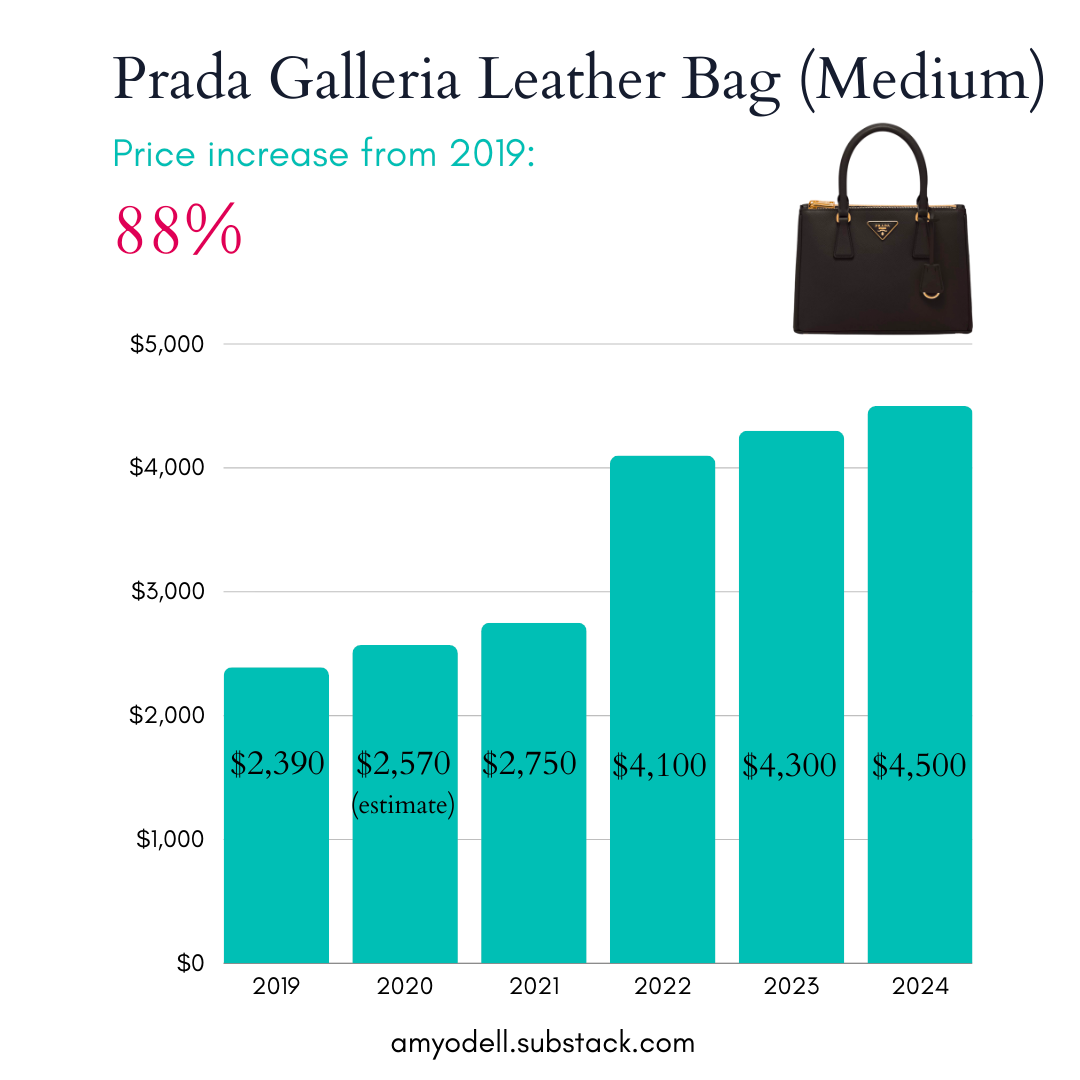
Comparing High-End vs. Budget Handbags
High-end handbags often boast superior materials and craftsmanship, which can lead to a longer lifespan compared to budget options. However, that doesn’t mean budget bags can’t serve you well for several seasons.
Quality is one of the most critical factors influencing how long do handbags last. Designer bags are typically made from high-quality leather or other durable materials, which not only look great but also withstand daily wear and tear. On the other hand, budget-friendly handbags may use synthetic materials that can wear out or show signs of damage more quickly.
Warranty considerations also play a role. Many high-end brands offer warranties or guarantees on their products, ensuring that if something goes wrong, you can get it repaired or replaced. Budget bags, however, often come with minimal or no warranty, meaning any defects or damages might be on you to fix.
Resale value is another point to consider. Designer handbags often retain their value over time, sometimes even appreciating due to their rarity and brand prestige. You might buy a high-end bag and sell it years later for a good portion of what you paid. Conversely, budget handbags usually depreciate quickly, and you may find yourself unable to sell them for much at all.
Think about Sarah, who invested in a classic Chanel handbag. Years later, she was able to sell it for almost the same price she paid. Meanwhile, her friend bought a trendy but inexpensive bag that wore out after a season, leaving her with nothing to show for it. This scenario highlights the potential long-term benefits of choosing wisely.
When deciding between a high-end and a budget handbag, consider not just the initial cost but also how long you want it to last. Sometimes, spending a little more upfront can save you money in the long run.
Handbags can be a long-term investment, but how long do handbags last? With the right practices, you can extend their lifespan significantly while also being kind to the planet.

Sustainable Practices for Handbag Longevity
Embracing sustainable practices is key to prolonging the life of your handbag. From repair options to choosing eco-friendly brands, there are many ways to ensure your favorite accessory stays with you for years to come.
First up, consider repair options. Instead of tossing a handbag with a broken strap or scuffed surface, look for local artisans or online services that specialize in handbag repairs. Many will even offer to replace zippers or stitching, giving your bag a brand-new lease on life. You might be surprised at how much a simple fix can refresh your favorite piece.
Another great way to keep your handbag in circulation is through upcycling. If you have an old bag that you don’t use anymore, think about transforming it into something new. For instance, you could turn a vintage handbag into a unique clutch or use its materials to create a totally new piece. This not only reduces waste but also lets your creativity shine.
Lastly, when buying a new handbag, opt for sustainable brands. Look for companies that prioritize ethical production, use recycled materials, or have a focus on fair labor practices. Brands like Stella McCartney and Matt & Nat are known for their commitment to sustainability while offering stylish options. By choosing wisely, you’re investing in quality pieces that are designed to last.
Next time you’re tempted to buy a new handbag, think about the life cycle of your current ones. Repair, upcycle, or choose sustainable brands to keep them going strong. Your handbag collection will thank you, and so will the planet.
