

Starting a vegetable garden is an exciting adventure! The soil you choose is super important for healthy plants. With so many options out there, it can be tough to know which one is the best.
Bagged soil can make things easier, especially for beginners. It comes ready to use, and you can find different mixes that help your veggies grow strong and tasty.
| Product | Name | Link |
|---|---|---|
 |
Espoma Organic Vegetable & Flower Garden Soil Natural and … | |
 |
Purple Cow Organics IndiCanja 1 Cubic Foot Bag … | |
 |
Miracle-Gro Seed Starting Potting Mix, Enriched with Plant Food, For … | |
 |
WONDER SOIL | |
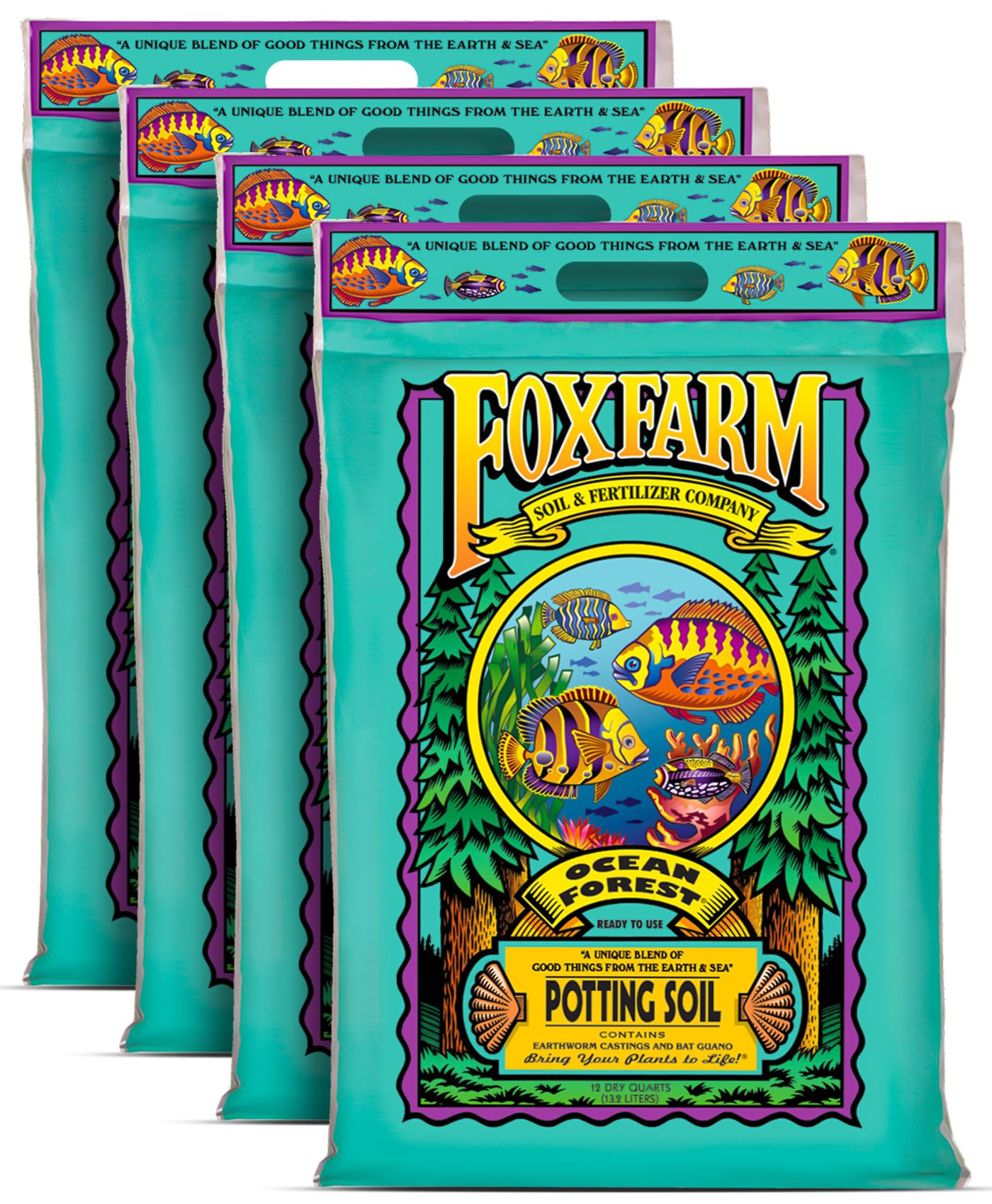 |
FoxFarm Ocean Forest Potting Soil for Container Gardens | |
 |
Organic Potting Mix by Perfect Plants for All Plant Types | |
 |
Michigan Peat 8-Pack Baccto Top Soil with Reed Sedge, Peat, and … | |
 |
Michigan Peat Compost and Manure Blend, Garden Magic Mix with … | |
 |
Vermont Compost Company Raised Bed Mix | |
 |
Espoma Organic Raised Bed Mix |
1. Espoma Organic Vegetable & Flower Garden Soil Natural and …
Who it’s best for
This soil is great for beginners and experienced gardeners alike. If you want to grow healthy vegetables and flowers without using harsh chemicals, this option is perfect for you.
Main benefits
- Organic materials provide essential nutrients for plants.
- Promotes good drainage and aeration for healthy root development.
- Environmentally friendly and safe for your garden.
Good to know
- It’s ready to use straight from the bag.
- It works well for both in-ground gardens and container gardening.
- Can improve the existing soil in your garden when mixed in.
Why we like it
We appreciate that Espoma’s soil is made from natural ingredients. It helps plants grow strong and healthy while keeping your garden safe. Plus, it’s convenient; just open the bag and start planting!
FAQ
Q1: How do I use this soil in my garden?
A: Simply spread the soil where you want to plant and mix it in with existing soil if needed.
Q2: Can I use it for container gardening?
A: Yes, it’s perfect for pots and raised beds! Just fill your containers with the soil.
Q3: How often should I replace the soil?
A: You should refresh it every season for best results, adding new soil as plants grow.
2. Purple Cow Organics IndiCanja 1 Cubic Foot Bag …
Who it’s best for
This soil is great for home gardeners looking to grow vegetables. It’s perfect for beginners and experienced gardeners alike who want an organic option that supports healthy plant growth.
Main benefits
- Made from natural and organic materials.
- Enhances soil structure for better drainage and aeration.
- Rich in nutrients that promote plant health.
- Supports beneficial microorganisms that enrich the soil.
Good to know
- It’s suitable for raised beds, in-ground gardens, and containers.
- Can be mixed with existing soil for a nutrient boost.
- Free of synthetic fertilizers and pesticides.
Why we like it
We like Purple Cow Organics IndiCanja because it offers a 100% organic solution for growing vegetables. The soil quality is noticeable, helping plants thrive without relying on chemicals. Users often report great results after using this bagged soil, making gardening more rewarding.
FAQ
Q1: How often should I replace the soil in my vegetable garden?
A: It’s good to refresh your soil every season to maintain its nutrients, especially if you’re planting different crops.
Q2: Can I use this soil for herbs and flowers as well?
A: Yes, it’s versatile and works well for herbs and flowers, providing them with essential nutrients.
Q3: Is it safe for container gardening?
A: Absolutely! It’s perfect for containers and helps regulate moisture levels.
3. Miracle-Gro Seed Starting Potting Mix, Enriched with Plant Food, For …
Who it’s best for
This potting mix is ideal for beginners and experienced gardeners who want to start seeds indoors or in containers. It’s designed for anyone looking to give their plants a strong start.
Main benefits
- Enriched with plant food for healthy seedling growth.
- Improves moisture retention, so your seedlings stay hydrated.
- Lightweight and easy to work with, making planting simpler.
Good to know
- Best when used in seed trays or small pots for starting seeds.
- Adjust your watering schedule, as this mix retains moisture.
- Works well for various types of vegetables and herbs.
Why we like it
We appreciate how Miracle-Gro Seed Starting Potting Mix helps seeds germinate and grow strong. The added nutrients support healthy growth, making it a reliable choice for gardeners. It’s easy to use, and we’ve seen great results from our seedlings.
FAQ
Q1: Can I use this mix for transplanting seedlings?
A: Yes, it’s great for transplanting, but you may want to mix it with garden soil for outdoor planting.
Q2: How often should I water the seedlings?
A: Check the top inch of the soil; if it feels dry, it’s time to water. Overwatering can harm the seedlings.
Q3: Is this mix suitable for all types of plants?
A: While it’s perfect for vegetables and herbs, some larger plants may need a different mix for best results.
4. WONDER SOIL
Who it’s best for
WONDER SOIL is great for beginner gardeners and those looking for an easy-to-use soil option. If you want to grow vegetables without worrying about complex soil mixes, this bagged soil is a solid choice. It works well in both containers and garden beds.
Main benefits
- Lightweight and easy to carry
- Retains moisture for healthier plants
- Enriched with nutrients to support growth
- Promotes good drainage to prevent root rot
Good to know
- Can be used alone or mixed with existing soil
- Designed to expand when watered, offering more volume
- Safe for both indoor and outdoor gardening
Why we like it
WONDER SOIL stands out because of its convenience and effectiveness. It’s ready to use right out of the bag, making it perfect for busy gardeners. The moisture retention helps your plants stay hydrated, which is especially useful during hot weather. Plus, you can easily mix it with other soils for customized needs.
FAQ
Q1: How do I use WONDER SOIL?
A: Just open the bag and pour it into your planting area or pots. You can mix it with other soils if needed.
Q2: Does it need to be amended?
A: Not usually! WONDER SOIL is nutrient-rich, but you can add fertilizer if you want to boost growth.
Q3: How much soil do I need for my garden?
A: It depends on the size of your garden. Measure the area to determine how many bags you may need.
5. FoxFarm Ocean Forest Potting Soil for Container Gardens
Who it’s best for
This potting soil is great for both beginner and experienced gardeners who want to grow vegetables in containers. It’s especially useful for those who want a soil that supports healthy plant growth without a lot of extra work.
Main benefits
- Provides excellent drainage for container gardens.
- Rich in organic materials that feed plants.
- pH balanced, which helps vegetables thrive.
Good to know
- It contains a mix of peat moss, composted forest materials, and beneficial microbes.
- Best used in pots or raised beds rather than directly in the ground.
- Water retention properties may vary based on climate and container type.
Why we like it
FoxFarm Ocean Forest Potting Soil stands out for its rich texture and quality ingredients. It helps vegetables get the nutrients they need while ensuring air flows well to the roots. This means healthier plants and potentially bigger harvests.
FAQ
Q1: How often should I water my plants in this soil?
A: Check the top inch of the soil. If it’s dry, it’s time to water, but don’t overwater.
Q2: Can I use this soil for herbs as well?
A: Yes, it works great for herbs and other container plants.
Q3: Is this soil safe for growing food?
A: Yes, it’s made from organic materials, making it safe for vegetables.
6. Organic Potting Mix by Perfect Plants for All Plant Types
Who it’s best for
This potting mix is great for anyone looking to grow vegetables in their garden. It’s ideal for beginners who want a simple, ready-to-use soil option. Experienced gardeners will also appreciate its rich, organic ingredients.
Main benefits
- Made from natural, organic materials.
- Provides excellent drainage and aeration.
- Helps retain moisture for healthy plant growth.
- Suitable for a variety of plants beyond just vegetables.
Good to know
- Can be used indoors and outdoors.
- It’s lightweight, making it easy to handle.
- Free from synthetic chemicals and fertilizers.
- Always check the expiration date to ensure quality.
Why we like it
We like this organic potting mix because it supports healthy plant growth without the need for added chemicals. Its balanced texture lets roots breathe while also holding the right amount of moisture. This makes it a great choice for growing a variety of vegetables. Plus, it’s versatile enough to be used for houseplants, herbs, and flowers as well.
FAQ
Q1: How often should I water plants in this soil?
A: Water when the top inch of the soil feels dry. It retains moisture well, so avoid overwatering.
Q2: Is it safe for growing food?
A: Yes, this potting mix is organic and safe for growing vegetables.
Q3: Can I use it for seed starting?
A: Yes, it works well for starting seeds, providing a good balance of moisture and airflow.
7. Michigan Peat 8-Pack Baccto Top Soil with Reed Sedge, Peat, and …
Who it’s best for
This product is great for gardeners looking for an easy-to-use soil option. It’s especially beneficial for those starting a vegetable garden and wanting to ensure their plants have a good foundation.
Main benefits
- Contains rich organic materials like peat and reed sedge.
- Improves soil structure and moisture retention.
- Prepares garden beds quickly for planting.
- Suitable for various types of vegetables.
Good to know
- Can be mixed with other soil types for better results.
- Works well in raised beds or traditional gardens.
- Avoid using if the soil is too wet during application.
Why we like it
We appreciate that this soil comes ready to use, making gardening more accessible. Its blend of organic materials supports healthy plant growth, and it helps retain moisture, which is essential for vegetable gardens.
FAQ
Q1: How do I use this topsoil in my garden?
A: Simply spread it over your garden bed or mix it into your existing soil. Make sure to break up any clumps for even distribution.
Q2: Can I use this soil for container gardening?
A: Yes, it works well in pots and containers. Just be sure to adjust the amount based on the size of your container.
Q3: What types of vegetables do best with this soil?
A: Most vegetables thrive in it, including tomatoes, peppers, and cucumbers. Always ensure you follow specific care requirements for each plant type.
8. Michigan Peat Compost and Manure Blend, Garden Magic Mix with …
Who it’s best for
This blend is great for both beginner and seasoned gardeners. If you’re looking to enrich your vegetable garden with organic matter, this mix is a solid choice. It works well in various soil types and can help improve drainage and nutrient levels.
Main benefits
- Improves soil structure and fertility.
- Enhances moisture retention.
- Contains beneficial microorganisms.
- Organic ingredients boost plant growth.
Good to know
- Best used in the spring or fall.
- Can be mixed with existing soil for better results.
- Avoid using it in overly wet conditions to prevent compaction.
Why we like it
This compost and manure blend provides essential nutrients that help vegetables thrive. It has a pleasant earthy smell and breaks down easily in the soil, making it user-friendly for gardeners. Its organic components help support healthy plant growth while being safe for the environment.
FAQ
Q1: Can I use this mix right out of the bag?
A: Yes, you can use it directly, but mixing it with existing soil is often best for optimal growth.
Q2: How often should I add this soil to my garden?
A: A good rule is to add it once a year, either in spring or fall, depending on your plants’ needs.
Q3: Will this blend attract pests?
A: Generally, it shouldn’t attract pests, but it’s always good to monitor your garden and keep it clean.
9. Vermont Compost Company Raised Bed Mix
Who it’s best for
This soil mix is great for gardeners who want a quality option for raised beds. It’s suitable for new gardeners and experienced ones alike who seek a reliable product to help their vegetables thrive.
Main benefits
- Rich in nutrients, promoting healthy plant growth.
- Made from organic materials, ensuring safety for edible plants.
- Offers good drainage while retaining moisture, perfect for varied climates.
Good to know
- Best when blended with existing soil for added benefits.
- Developed specifically for vegetable gardens, unlike general-purpose soils.
- Supported by good reviews from many happy gardeners.
Why we like it
We appreciate the Vermont Compost Company Raised Bed Mix for its balance of nutrients and organic matter. It helps create a healthy environment for vegetables. The high quality allows for consistent results, making it easy for both novice and expert gardeners to have successful growing seasons.
FAQ
Q1: Can I use this soil in containers?
A: Yes, it works well in containers for vegetables and flowers.
Q2: How often should I replace the soil?
A: It’s best to refresh the soil every couple of years for optimal results.
Q3: Is this soil safe for all types of vegetables?
A: Yes, it’s made from organic materials, safe for all edible plants.
10. Espoma Organic Raised Bed Mix
Who it’s best for
This soil mix is great for home gardeners who want to create a healthy, productive vegetable garden. It’s also suitable for those starting raised beds or containers, making it versatile for any gardening style.
Main benefits
- Organic ingredients boost soil health.
- Provides excellent drainage to keep roots healthy.
- Rich in nutrients for strong plant growth.
- Ready to use right out of the bag.
Good to know
- It’s made from a blend of composted materials and organic matter.
- Suitable for all types of vegetables and herbs.
- Check the bag for specific usage instructions.
- Store in a cool, dry place to maintain quality.
Why we like it
We appreciate the high-quality organic ingredients in Espoma Organic Raised Bed Mix. It helps create a great environment for our plants and results in bountiful harvests. This mix is also easy to work with, making gardening less stressful and more enjoyable.
FAQ
Q1: Can I use this mix for other plants?
A: Yes, it’s suitable for flowers and herbs too!
Q2: How often should I replace the soil?
A: It’s good to refresh the soil every season to keep nutrients high.
Q3: Is it safe for kids and pets?
A: Yes, it’s made from organic materials, making it safe for your family.
Key Ingredients to Look For in Bagged Soil
When choosing bagged soil for your vegetable garden, it’s important to look for specific ingredients that promote healthy plant growth. Quality soil should be rich in organic matter, which helps retain moisture and provides nutrients.
Additionally, consider the following ingredients:
- Compost: Provides essential nutrients and improves soil structure.
- Pearlite: Helps with drainage and aeration, preventing soil from becoming compacted.
- Vermiculite: Aids in water retention and keeps the soil light and fluffy.
- Worm castings: An excellent source of nutrients and beneficial microbes.
Common Mistakes When Choosing Bagged Soil
One common mistake is not checking the ingredients. Some soils have additives that may not be suitable for vegetables. Always read the label.
Another mistake is assuming all bagged soils are the same. Different plants have different needs, so choose soil that matches your specific vegetables.
- Not considering drainage properties.
- Ignoring the pH level of the soil.
- Choosing soil based on price rather than quality.
How to Test Bagged Soil Quality
To ensure you have good bagged soil for your vegetable garden, you can perform a few simple tests. These tests can help you check the soil’s texture, moisture retention, and nutrient content.
First, feel the soil in your hands. Good quality soil should be crumbly and not too sandy or clay-like. It should hold its shape when you squeeze it but break apart easily when you poke it.
Next, you can check how well it holds moisture. Take a small amount of soil and add water to it. Good soil will absorb the water and not become soggy. If the water just sits on top, the soil might be too compacted.
- Look for any strong odors, which can indicate problems.
- Examine the color. Darker soil often has more organic matter.
- Matter like small twigs or pebbles should be minimal.
Tips for Using Bagged Soil Effectively
When using bagged soil for your vegetable garden, it’s important to mix it with your existing soil. This helps improve drainage and adds nutrients. Aim for a 50-50 mix for the best results.
Make sure to check the texture of the soil. It should be crumbly and easy to work with. Avoid soil that feels too compact or wet, as this can harm your plants.
- Read the label for specific uses and recommendations.
- Test the pH level to ensure it’s suitable for your plants.
- Water the soil thoroughly after adding it to your garden.
FAQs About Bagged Soil for Vegetable Gardens
Choosing the right bagged soil for your vegetable garden can be confusing. Here are some common questions to help you understand more about it.
What ingredients should I look for? Good bagged soil for vegetables should contain a mix of organic matter, compost, and nutrients. Look for products that list these ingredients clearly.
Can I use regular potting soil? Regular potting soil can work, but it may not provide the nutrients needed for vegetables. It’s best to look for soil specifically designed for vegetable gardens.
How much soil do I need? The amount of soil will depend on the size of your garden. A general rule is to fill raised beds with about 6 to 12 inches of quality soil.
- Check for drainage to prevent waterlogging.
- Consider soil pH for the best plant growth.
- Avoid soil that contains a lot of synthetic additives.
Environmental Considerations in Soil Selection
When choosing bagged soil for your vegetable garden, it’s important to think about the environment. Look for soil that uses natural and sustainable materials. This helps reduce harm to the planet and supports healthy plant growth.
Additionally, check if the soil is free from harmful chemicals. Organic options are often safer for both your garden and local wildlife. Recycling and reusing materials in soil can also support eco-friendly gardening practices.
- Choose organic ingredients for a healthier option.
- Avoid soil with harmful chemicals.
- Look for soil made from recycled materials.
Comparing Popular Bagged Soil Brands
When choosing bagged soil for your vegetable garden, it’s helpful to compare different brands. Each brand offers unique mixes that can support healthy plant growth.
Some of the well-known brands include:
- Miracle-Gro: Known for its balanced nutrients, it helps plants grow strong.
- Black Gold: Made with organic ingredients, it’s good for enriching the soil.
- FoxFarm: This brand focuses on providing high-quality organic soil options.
- Espoma: Their mixes often include natural materials that promote healthy roots.
Each of these brands has its own strengths, so consider what your plants need before making a choice.
