

If you love gardening, you know that mulch can make a big difference. It helps your plants stay healthy by retaining moisture and preventing weeds. But with so many options out there, it can be hard to choose the right one.
In this article, we will explore some of the best bagged mulch options for your garden needs. Whether you want something natural, decorative, or functional, there’s a type of mulch that can fit your garden perfectly.
| Product | Name | Link |
|---|---|---|
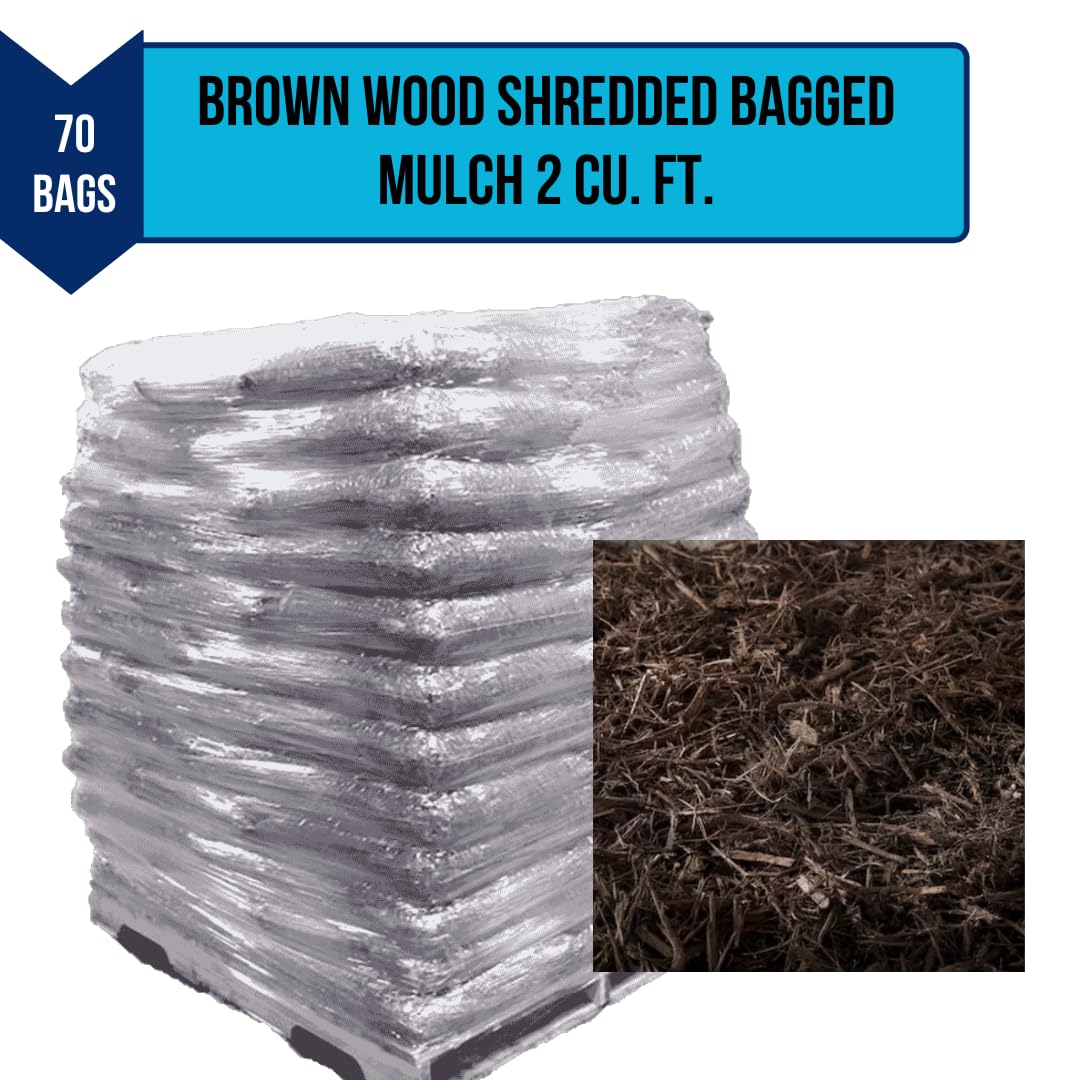 |
Brown Wood Shredded Bagged Mulch 2 cu. ft. Full Pallet (70 Bags) | |
 |
Red Wood Shredded Bagged Mulch 2 cu. ft. Half Pallet (35 Bags) | |
 |
Brown Wood Shredded Bagged Mulch 2 cu. ft. Half Pallet (35 Bags … | |
 |
MIGHTY109 100% Natural Cedar Mulch, 40 Quarts … | |
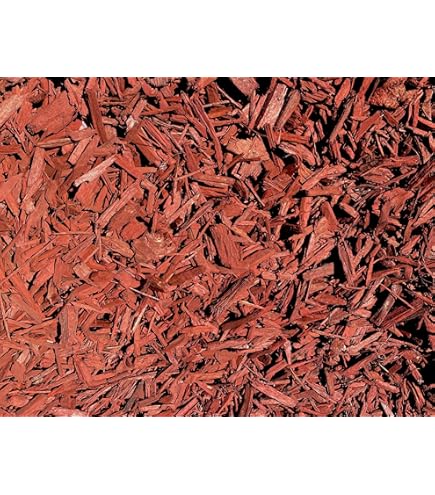 |
Landscape, Garden and Flower Bed Mulch, Red … | |
 |
Organic All Natural Mulch for Landscaping, Shredded and Bagged … | |
 |
Bold Black Landscape, Garden and Flower Bed Mulch, Black … | |
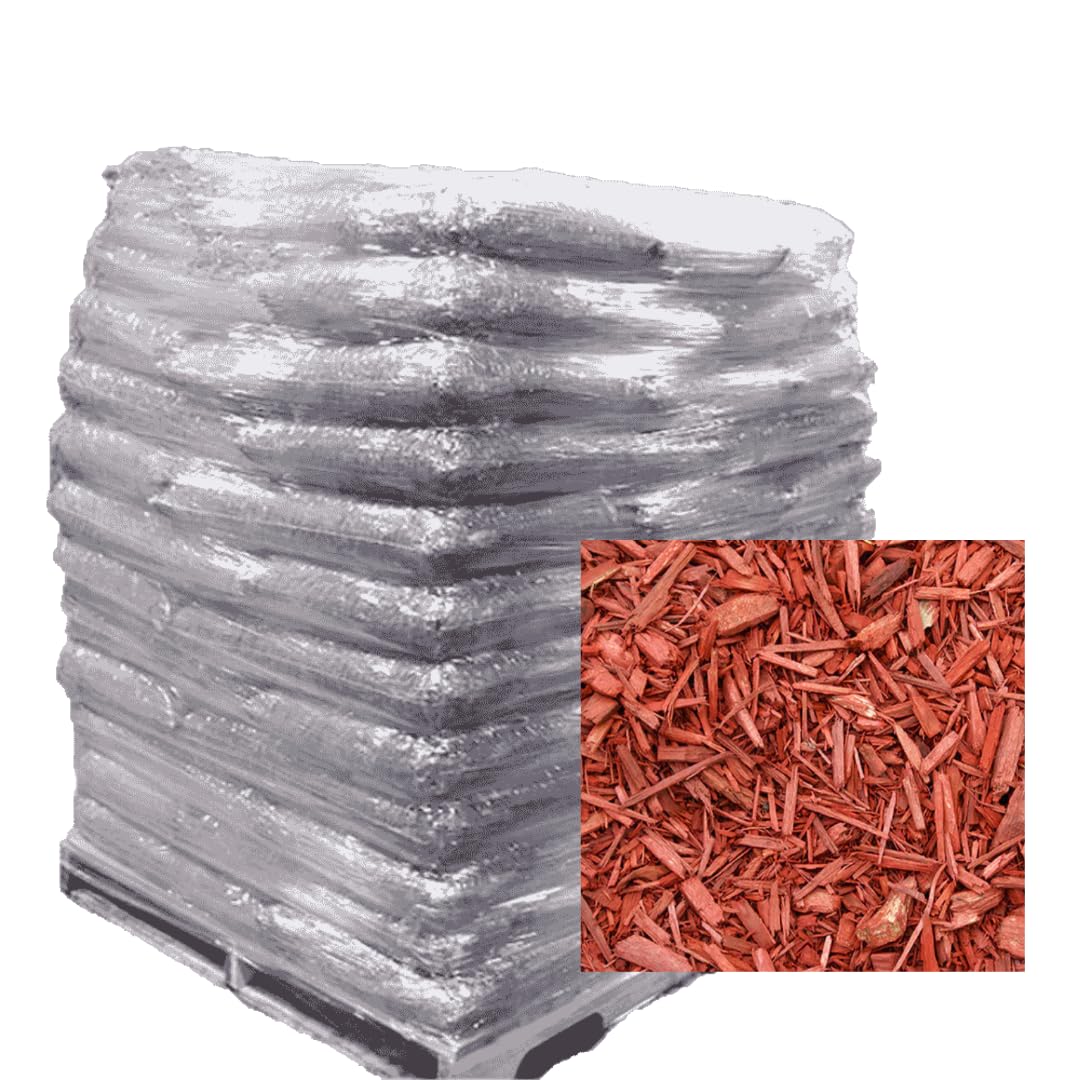 |
Red Wood Shredded Bagged Mulch 2 cu. ft. Full Pallet (70 Bags … | |
 |
GARDENWISE Premium Organic Wood Mulch for Gardens … | |
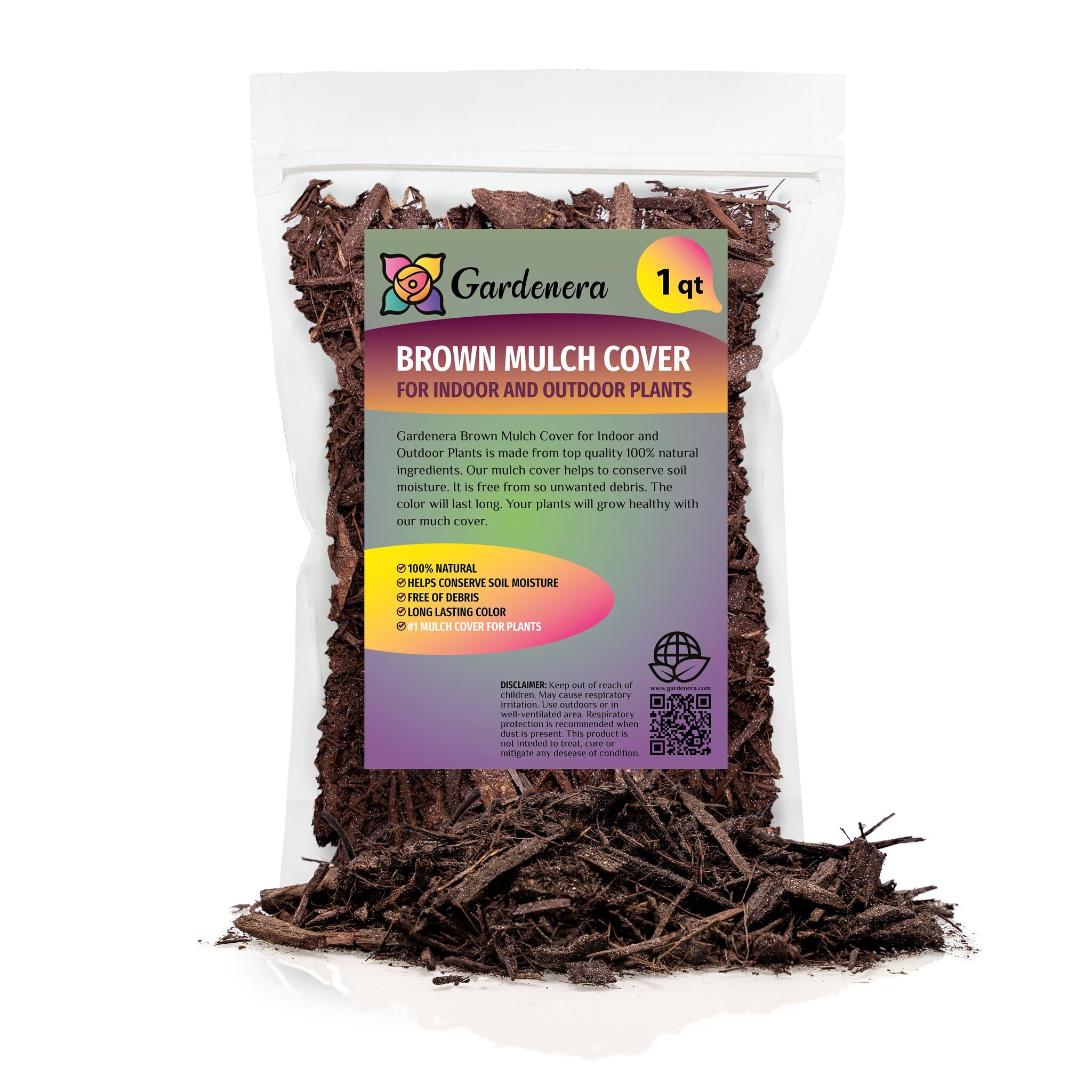 |
Gardenera Premium Brown Mulch |
1. Brown Wood Shredded Bagged Mulch 2 cu. ft. Full Pallet (70 Bags)
Who it’s best for
This mulch is ideal for gardeners looking for an affordable and effective way to enhance their garden beds. It’s also suitable for those who want to control weeds and retain moisture in the soil.
Main benefits
- Helps reduce weed growth.
- Retains soil moisture for healthier plants.
- Improves soil structure over time as it breaks down.
- Available in bulk, making it easy for larger projects.
Good to know
- May take time to decompose completely and enrich soil.
- Color may fade over time, especially in direct sunlight.
- Can attract certain pests, so monitor your garden.
Why we like it
The Brown Wood Shredded Bagged Mulch is a practical choice for any gardener. It’s easy to apply and works well in various types of gardens. We appreciate its ability to suppress weeds while nourishing the soil as it breaks down.
FAQ
Q1: How much mulch do I need for my garden?
A: Measure your garden area and calculate based on the depth of mulch you want. Generally, 2-3 inches is recommended.
Q2: Can I use this mulch around vegetables?
A: Yes, it’s safe for vegetable gardens as long as you keep it a few inches away from plant stems.
Q3: How often should I replace the mulch?
A: Replace or refresh mulch yearly or as it decomposes and loses color.
2. Red Wood Shredded Bagged Mulch 2 cu. ft. Half Pallet (35 Bags)
Who it’s best for
This mulch is great for homeowners looking to enhance their garden’s appearance. It’s suitable for flower beds, trees, and landscaping projects. If you want a natural look and some color, this is a solid choice.
Main benefits
- Adds a rich, vibrant color to your landscape.
- Helps retain soil moisture, keeping plants healthy.
- Reduces weed growth, making garden maintenance easier.
- Breaks down slowly, providing nutrients over time.
Good to know
- Make sure to spread it in a layer of about 2-4 inches for best results.
- Can slightly increase soil acidity, which some plants prefer.
- Always check for any dyes or chemicals if you’re gardening organically.
Why we like it
We appreciate the Red Wood Shredded Mulch for its aesthetic appeal and practicality. It not only makes gardens look beautiful but also supports plant health. It’s an easy way to improve your garden while spending less time on maintenance.
FAQ
Q1: How often should I replace the mulch?
A: It’s best to refresh it annually to maintain its benefits and appearance.
Q2: Can I use this mulch around vegetable gardens?
A: Yes, but ensure it doesn’t touch the plants directly to avoid any potential risk.
Q3: What’s the best way to spread the mulch?
A: Use a rake or your hands to spread it evenly and avoid clumping.
3. Brown Wood Shredded Bagged Mulch 2 cu. ft. Half Pallet (35 Bags …
Who it’s best for
This mulch is great for gardeners looking for an eco-friendly option. It suits both beginners and experienced gardeners wanting to improve their soil health and garden appearance.
Main benefits
- Helps retain moisture in the soil.
- Improves soil quality as it breaks down over time.
- Reduces weed growth, saving you time on maintenance.
- Natural look that enhances garden aesthetics.
Good to know
- Made from recycled wood products, making it environmentally friendly.
- Available in bulk, which is perfect for larger gardening projects.
- May need replenishing every year for optimal results.
- Can attract beneficial insects when used properly.
Why we like it
This mulch not only looks great but also provides many benefits to the garden. It’s an all-rounder that helps with moisture retention and keeps weeds at bay. Plus, it enriches the soil as it decomposes, making it a smart choice for any gardener.
FAQ
Q1: How much mulch do I need for my garden?
A: Measure the area you want to cover and consider a depth of 2 to 3 inches for best results.
Q2: Can I use this mulch around vegetable plants?
A: Yes, it’s safe for vegetable gardens and can help with moisture retention.
Q3: How often should I replace the mulch?
A: It’s good to check annually and replace it if it looks thin or decomposed.
4. MIGHTY109 100% Natural Cedar Mulch, 40 Quarts …
Who it’s best for
This mulch is great for gardeners who want a natural product. It’s perfect for those looking to add beauty and functionality to their gardens without chemicals. If you want to control weeds and enhance soil health, this is for you.
Main benefits
- Helps retain moisture in the soil.
- Natural pest-repelling properties.
- Stays in place during heavy rains and winds.
- Breaks down slowly, providing nutrients over time.
Good to know
- Can be used around plants, trees, and flower beds.
- Should be reapplied annually for best results.
- Color may fade over time but the benefits remain.
Why we like it
MIGHTY109 Cedar Mulch stands out for its natural features. It looks good in any garden setting while helping with soil health. Plus, it keeps pests away without any harsh chemicals. We appreciate that it’s eco-friendly and easy to use.
FAQ
Q1: How thick should I apply the mulch?
A: A thickness of 2 to 4 inches is usually best for effective weed control.
Q2: Can I use this mulch around vegetable gardens?
A: Yes, it is safe and can help protect your veggies from pests.
Q3: How often do I need to replace the mulch?
A: Once a year is generally recommended, or as it breaks down.
5. Landscape, Garden and Flower Bed Mulch, Red …
Who it’s best for
This mulch is ideal for gardeners looking to add a pop of color to their flower beds or landscape. It works well for both beginner gardeners and experienced landscapers alike who want to enhance their outdoor spaces.
Main benefits
- Bright red color adds visual appeal to gardens.
- Helps retain moisture in soil, promoting healthy plant growth.
- Reduces weed growth, making garden maintenance easier.
Good to know
- May fade over time, especially in direct sunlight.
- Check local availability as colors may differ by region.
- Ensure even application for best results in gardens.
Why we like it
This mulch not only adds beauty to our gardens but also provides practical benefits. Its ability to suppress weeds and retain soil moisture makes gardening easier. Plus, the bright color brings a cheerful vibe to any outdoor space.
FAQ
Q1: How often should I replenish the mulch?
A: It’s good to refresh your mulch once a year to maintain its benefits and appearance.
Q2: Can I use this mulch around edible plants?
A: Yes, it’s safe for use around flowers and decorative plants, but be cautious with vegetables and herbs.
Q3: What is the best method for applying this mulch?
A: Spread it evenly about 2-3 inches thick around plants, keeping it away from the stems.
6. Organic All Natural Mulch for Landscaping, Shredded and Bagged …
Who it’s best for
This mulch is great for gardeners who care about the environment. It’s perfect for those who want an organic option that helps their plants grow while being gentle on nature.
Main benefits
- Improves soil quality over time.
- Reduces weeds effectively.
- Helps retain moisture in the soil.
- Safe for pets and children.
Good to know
- Breaks down naturally, enriching the soil.
- Can attract helpful insects like earthworms.
- Multiple uses, such as flower beds and vegetable gardens.
Why we like it
We appreciate this mulch because it not only looks good in the garden but also promotes healthy growth for plants. Its organic nature means you can use it without worrying about chemicals harming your garden or the environment.
FAQ
Q1: How often should I replace the mulch?
A: It’s best to check annually and refresh it as needed, usually once a year.
Q2: Can I use this mulch around vegetables?
A: Yes, it’s safe for vegetable gardens and can help with weed control.
Q3: How thick should I spread the mulch?
A: A thickness of 2-3 inches is usually effective for most gardens.
7. Bold Black Landscape, Garden and Flower Bed Mulch, Black …
Who it’s best for
This mulch is great for gardeners looking to add a striking visual element to their outdoor spaces. It’s perfect for flower beds, gardens, and landscaping projects where a dark, polished finish is desired.
Main benefits
- Improves soil moisture retention.
- Reduces weed growth effectively.
- Creates an attractive contrast with colorful plants.
- Helps regulate soil temperature.
Good to know
- It can fade over time, so periodic replacement is a good idea.
- Requires a depth of 2-3 inches for best results.
- Safe for use around most plants and perennials.
Why we like it
We appreciate that Bold Black Mulch combines functionality with beauty. Its deep black color not only enhances the look of your garden but also helps in retaining moisture and controlling weeds. It’s a practical choice that improves your garden’s health while making it visually appealing.
FAQ
Q1: How often should I replace the mulch?
A: It’s best to replace it every year or two, depending on fading and decomposition.
Q2: Can I use this mulch in vegetable gardens?
A: Yes, it’s generally safe, but make sure to watch for any potential impacts on specific plants.
Q3: What’s the best way to apply mulch?
A: Spread it evenly around plants, keeping it away from plant stems to prevent rot.
8. Red Wood Shredded Bagged Mulch 2 cu. ft. Full Pallet (70 Bags …
Who it’s best for
This mulch is perfect for gardeners looking to create a vibrant, decorative layer in their flower beds. It’s also suitable for homeowners wanting to reduce weeds and keep moisture in the soil. If you have a large garden, getting a full pallet will save you time and effort.
Main benefits
- Enhances the visual appeal of your garden.
- Helps retain soil moisture and protect roots.
- Natural decomposition adds nutrients to the soil.
- Reduces weed growth effectively.
Good to know
- Works well in both sunny and shaded areas.
- May need to be replenished yearly as it breaks down.
- Color may fade over time but remains effective.
- Safe for plants and does not harm the environment.
Why we like it
We appreciate the rich red color that this mulch brings to gardens. It not only looks great but also provides excellent protection for plants. Its ability to suppress weeds while keeping moisture in the soil makes it a reliable choice for many gardeners.
FAQ
Q1: How thick should I apply the mulch?
A: Aim for a thickness of 2 to 4 inches for best results.
Q2: Can I use this mulch around vegetables?
A: Yes, it is safe to use around most vegetables, just avoid direct contact with stems.
Q3: How often should I replace it?
A: It’s a good idea to refresh your mulch yearly to maintain its effectiveness and appearance.
9. GARDENWISE Premium Organic Wood Mulch for Gardens …
Who it’s best for
This mulch is great for gardeners who prioritize organic materials and want to enhance their soil health. It’s suitable for vegetable gardens, flower beds, and around trees.
Main benefits
- Improves soil structure over time.
- Helps retain moisture, reducing the need for frequent watering.
- Suppresses weeds effectively, minimizing garden maintenance.
- Provides a natural look that enhances garden aesthetics.
Good to know
- Can break down over time, so you may need to replenish it annually.
- Ensure it does not touch the base of plants to prevent rot.
- It’s made from renewable resources, making it eco-friendly.
- Natural material that improves soil quality over time.
- Helps retain moisture, reducing watering needs.
- Attractive brown color enhances garden design.
- Reduces weed growth effectively.
- Prepare the soil before applying mulch for best results.
- A layer of about 2 to 3 inches is generally recommended.
- Regularly check for compaction and refresh as needed.
- Be mindful of over-mulching, which can hold too much moisture.
- Check the color: Darker mulches can help warm the soil.
- Look for organic options: Organic mulches break down over time and enrich the soil.
- Consider the size of the pieces: Larger pieces last longer but may not be as effective at suppressing weeds.
- Not considering the type of plants you have. Different plants need different kinds of mulch.
- Using too much mulch. A thick layer can suffocate plant roots and block water.
- Overlooking color and texture. The wrong look can clash with your garden’s design.
- Ignoring local climate and conditions. Different areas may require specific types of mulch.
- Organic Mulch: Improves soil quality.
- Inorganic Mulch: Lasts longer and requires less maintenance.
- Wood Chips: Great for trees and shrubs, wood chips help retain moisture and suppress weeds.
- Straw: Ideal for vegetable gardens, straw allows water to reach the soil while keeping weeds at bay.
- Pine Needles: Perfect for acid-loving plants like blueberries, pine needles help maintain soil acidity.
- Cocoa Hulls: A good choice for flower beds, cocoa hulls add nutrients to the soil as they break down.
- Bark Mulch: Suitable for landscaping, bark mulch lasts longer and gives a neat appearance.
- Home improvement stores
- Garden centers
- Plant nurseries
- Online retailers
- What is bagged mulch made of?
- How do I choose the right mulch for my garden?
- How much mulch do I need?
- Can I use bagged mulch for all types of plants?
- Avoid piling mulch against plant stems or tree trunks to prevent rot.
- Reapply mulch as needed, usually once a year, to maintain its effectiveness.
- Consider the type of mulch that best suits your garden, whether it’s organic or inorganic.
- The color of the mulch has faded significantly.
- You see more weeds growing through the mulch.
- The mulch layer has become thin or uneven.
- There is a strong odor coming from the mulch, indicating decay.
- Soil is showing through or is exposed in certain areas.
Why we like it
We appreciate GARDENWISE Premium Organic Wood Mulch because it not only looks good but also serves multiple purposes in the garden. The natural ingredients contribute positively to soil health, and its durability means it lasts through several seasons without frequent replacement.
FAQ
Q1: How deep should I apply the mulch?
A: A layer of 2 to 3 inches is usually best to suppress weeds and retain moisture.
Q2: Can I use this mulch around my vegetable garden?
A: Yes, it’s safe and beneficial for vegetable gardens as it enriches the soil.
Q3: How often should I replace the mulch?
A: It’s good to check annually and replenish as needed due to natural decomposition.
10. Gardenera Premium Brown Mulch
Who it’s best for
This mulch is great for homeowners who want to enhance their garden’s appearance while keeping weeds at bay. It’s perfect for flower beds, around trees, and even vegetable gardens. If you care about a neat look and soil health, this is a good choice.
Main benefits
Good to know
Why we like it
Gardenera Premium Brown Mulch stands out for its balance of visual appeal and practicality. It not only looks good but also helps your plants thrive. The natural decay process means it adds nutrients back into the soil, making it a smart choice for any gardener.
FAQ
Q1: How often should I refresh the mulch?
A: It’s best to refresh every 6 to 12 months, depending on weather and plant needs.
Q2: Can I use this mulch for vegetable gardens?
A: Yes, it’s safe and can help with moisture and weed control.
Q3: Will this mulch attract pests?
A: Generally, no, but keep an eye out for any signs of unwanted insects.
2: How to Choose the Right Bagged Mulch
Choosing the right bagged mulch is important for your garden. Different types work better for different needs. Start by thinking about what you want to achieve. Do you need to retain moisture, prevent weeds, or improve soil quality?
Next, consider the material of the mulch. Common options include bark, wood chips, straw, and leaves. Each type has its own benefits. For example, wood chips are great for weed control, while straw can add nutrients to the soil.
3: Common Mistakes When Choosing Mulch
Choosing the right mulch can be tricky. Here are some common mistakes to avoid:
By being aware of these errors, you can make better choices for your garden.
4: Organic vs. Inorganic Bagged Mulch
When choosing bagged mulch, you have two main types: organic and inorganic. Organic mulches are made from natural materials. They include wood chips, bark, straw, and grass clippings. These types break down over time, adding nutrients back into the soil.
On the other hand, inorganic mulches are made from materials like rubber or gravel. They do not break down, so they last much longer in your garden. However, they do not add nutrients to the soil. Each type has its benefits, so think about your garden’s needs when making a choice.
5: Best Types of Bagged Mulch for Different Plants
Choosing the right bagged mulch depends on the plants you have. Different types of mulch serve different purposes. Here are some of the best options:
6: Where to Buy Quality Bagged Mulch
Finding good bagged mulch is easy if you know where to look. Many garden centers and home improvement stores carry a variety of options.
Local garden supply shops are great for quality choices. They often have experts who can help you select the best type for your needs.
7: FAQs About Bagged Mulch
Bagged mulch can be a great addition to your garden. Here are some common questions people have about it.
1. What is bagged mulch made of? Bagged mulch can be made from various materials, including wood chips, bark, leaves, and even rubber. Each type has its benefits.
2. How do I choose the right mulch for my garden? Consider your plants’ needs, the look you want, and how much time you’re willing to spend maintaining your garden.
3. How much mulch do I need? Measure the area you want to cover. A good rule of thumb is to apply about 2-3 inches of mulch for best results.
4. Can I use bagged mulch for all types of plants? Most bagged mulches work well for flowers and shrubs, but some may not be suitable for vegetables. Always check the label for specific uses.
8: Tips for Applying Bagged Mulch Effectively
To get the most benefit from bagged mulch, follow these easy tips. First, prepare the area by removing weeds and grass. This helps the mulch stay in place and prevents unwanted growth.
Next, apply a layer of mulch that is about 2 to 4 inches thick. This thickness helps keep the soil moist and can reduce the need for water.
9: Signs You Need to Refresh Your Mulch
Over time, mulch can break down and lose its effectiveness. Here are some signs that it might be time to refresh it:
Refreshing your mulch helps keep your garden healthy and looking good.
