

When it comes to growing your own vegetables, the right soil can make a big difference. One way to improve your garden soil is by using compost. Bagged compost is a convenient option for many gardeners.
But with so many choices available, how do you know which one is the best for your vegetable garden? In this article, we will explore what features to look for in bagged compost and how it can help your plants thrive.
| Product | Name | Link |
|---|---|---|
 |
Vermont Compost Company Raised Bed Mix | |
 |
Espoma Organic Vegetable & Flower Garden Soil Natural and … | |
 |
Michigan Peat Compost and Manure Blend, Garden Magic Mix with … | |
 |
Charlie’s Compost | |
 |
OMRI Certified Organic Compost Size: 3.0 Gallons, 12-15 Pound Bag | |
 |
Urban Garden Outfitters Premium Organic Compost | |
 |
SUNGRO HORTICULTURE 1411602 1.0 CFL P Garden Compost … | |
 |
Michigan Peat Baccto Wholly Cow Horticultural Compost and … | |
 |
Compost Bag for Organic Waste Fermentation, Large Capacity with … | |
 |
TOPINCN PE Compost Bag with Big Side Window, Vent, Double … |
1. Vermont Compost Company Raised Bed Mix
Who it’s best for
This compost is perfect for home gardeners who want to grow healthy vegetables in raised beds. It is also great for beginners looking for a reliable product that supports strong plant growth.
Main benefits
- Provides excellent drainage while retaining moisture.
- Rich in organic matter for optimal nutrient delivery.
- Supports beneficial microorganisms that help plants thrive.
- Ready to use right out of the bag, saving you preparation time.
Good to know
- It is made from high-quality compost and organic materials.
- No synthetic chemicals, making it safe for vegetable gardening.
- Can be mixed with other soil types for custom gardening needs.
Why we like it
The Vermont Compost Company Raised Bed Mix stands out for its quality and ease of use. Many gardeners report healthier plants and better yields. It’s also made with care, focusing on sustainable practices which is a plus for environmentally conscious growers.
FAQ
Q1: How should I store the compost?
A: Keep it in a cool, dry place, and make sure it’s sealed to prevent moisture loss.
Q2: Can I use this compost for flowers as well?
A: Yes, it works well for flowers and a variety of plants, not just vegetables.
Q3: How often should I replace the compost in my raised bed?
A: It’s a good idea to refresh the compost every year to maintain soil health.
2. Espoma Organic Vegetable & Flower Garden Soil Natural and …
Who it’s best for
This compost is great for gardeners who want to grow vegetables and flowers organically. It’s perfect for both beginners and experienced gardeners looking to enrich their soil naturally.
Main benefits
- Made from natural ingredients, promoting healthy plant growth.
- Helps improve soil structure and water retention.
- Contains beneficial microorganisms for better nutrient absorption.
Good to know
- Can be used in raised beds, containers, or directly in the ground.
- Recommended for use during planting and when side-dressing established plants.
- Non-toxic and safe for pets and children.
Why we like it
This compost provides a perfect balance of nutrients, making it easier for plants to thrive. It’s also easy to handle and can be mixed with existing soil to enhance its quality. The organic nature of the ingredients means you can feel good about what you’re putting in your garden.
FAQ
Q1: How often should I apply this compost?
A: You can apply it during planting and again mid-season to give your plants an extra boost.
Q2: Can I use this in a container garden?
A: Yes, it works great in containers, helping to retain moisture and provide nutrients.
Q3: Is this compost safe for my vegetables?
A: Absolutely! It’s made from organic materials and is perfect for vegetable gardens.
3. Michigan Peat Compost and Manure Blend, Garden Magic Mix with …
Who it’s best for
This mix is great for home gardeners who want to enrich their vegetable gardens with a quality blend. It’s suitable for those who might not have access to fresh manure or compost but still want the benefits of organic matter in their soil.
Main benefits
- Enriches soil with vital nutrients, promoting healthy plant growth.
- Improves soil structure, enhancing water retention and drainage.
- Made from natural ingredients, helping to maintain a chemical-free garden.
Good to know
- It’s ready to use straight from the bag, making it easy for beginners.
- Has a rich, earthy smell that indicates high organic content.
- A little goes a long way, so you won’t need to use much for big results.
Why we like it
We like the Michigan Peat blend because it combines compost and manure effectively. This mix offers a balanced way to nourish plants while improving soil health. Gardeners appreciate that it’s easy to apply and works well in a variety of gardening situations, from raised beds to traditional patches.
FAQ
Q1: How do I use this compost mix?
A: You can mix it into your soil before planting or use it as a top dressing for your vegetables during the growing season.
Q2: Can I use it for my indoor plants?
A: Yes, but use it sparingly and mix it with potting soil for better drainage.
Q3: Is it safe for all types of vegetables?
A: Absolutely, this blend is safe and benefits most vegetable types.
4. Charlie’s Compost
Who it’s best for
Charlie’s Compost is a great choice for both beginner and experienced gardeners. If you want to enrich your vegetable garden with natural nutrients, this compost fits the bill perfectly. It works well in small home gardens as well as larger plots.
Main benefits
- Improves soil structure and drainage.
- Rich in nutrients that help plants grow healthy.
- Organic matter boosts soil life, making it more fertile.
Good to know
- Used compost can attract beneficial earthworms.
- It’s safe for all types of vegetables.
- Chunky texture allows for easy mixing with soil.
Why we like it
We like Charlie’s Compost because it’s made from carefully sourced organic materials. It doesn’t contain any harmful chemicals, making it safe for edible plants. Many users report faster plant growth and healthier vegetables when using this compost.
FAQ
Q1: How do I use Charlie’s Compost in my garden?
A: Mix it into your soil before planting or use it as a top dressing during the growing season.
Q2: Can I use it for potted plants?
A: Yes, it’s perfect for potting mixes or as a nutrient booster.
Q3: How often should I add it to my garden?
A: Adding it once or twice a year is usually enough for most vegetables.
5. OMRI Certified Organic Compost Size: 3.0 Gallons, 12-15 Pound Bag
Who it’s best for
This compost is great for home gardeners who want to enrich their vegetable gardens with organic materials. It’s perfect for beginners and experienced gardeners alike looking for a natural boost for their plants.
Main benefits
- OMRI certified, ensuring it meets organic standards.
- Helps improve soil structure and retains moisture.
- Encourages healthy plant growth and increases yield.
- Safe for use around vegetables and edible plants.
Good to know
- Packaged in a convenient 3.0-gallon bag, making it easy to store.
- Compost is a natural product, so texture and appearance may vary.
- Can be used in raised beds, containers, or directly in garden soil.
Why we like it
This compost stands out because it’s certified by OMRI, which gives you peace of mind about what you’re adding to your garden. It works well to enhance soil health, promoting a thriving environment for your vegetables. It’s also easy to use, making gardening simpler for everyone.
FAQ
Q1: How do I use the compost in my vegetable garden?
A: Mix it into the soil before planting or sprinkle it around your plants as a top dressing.
Q2: Is it safe to use this compost for all types of vegetables?
A: Yes, it’s safe for all vegetables, and it helps promote healthy growth.
Q3: How often should I add this compost to my garden?
A: You can add it once a season or as needed to keep the soil healthy.
6. Urban Garden Outfitters Premium Organic Compost
Who it’s best for
This compost is great for home gardeners who want to enhance their vegetable garden with rich, organic material. It’s perfect for anyone looking to grow healthy plants without using chemical fertilizers.
Main benefits
- Improves soil structure and fertility.
- Contains beneficial microorganisms that help plants thrive.
- Makes nutrients more available to your vegetables.
Good to know
- It is made from 100% organic materials.
- Suitable for all types of vegetables.
- Can be used in planting holes or as a top dressing.
Why we like it
The Urban Garden Outfitters Premium Organic Compost provides a natural boost to your garden. It helps your vegetables grow bigger and healthier. Plus, it’s easy to use, making it a favorite among both beginners and experienced gardeners.
FAQ
Q1: How often should I use this compost?
A: It’s good to add compost in the spring and fall to keep your soil healthy year-round.
Q2: Can I use it for flowers too?
A: Yes, this compost works well for both vegetables and flowers.
Q3: What’s the best way to apply it?
A: Mix it into the soil or spread it on top before watering your plants.
7. SUNGRO HORTICULTURE 1411602 1.0 CFL P Garden Compost …
Who it’s best for
This compost is great for home gardeners looking for a reliable option to enrich their vegetable garden. Whether you’re a beginner or have some experience, it can help improve your soil quality.
Main benefits
- Enhances soil structure and aeration.
- Provides essential nutrients for plants.
- Helps retain moisture in the soil.
Good to know
- Can be mixed with potting soil for better results.
- Works well in garden beds and containers alike.
- Considered organic and suitable for sustainable gardening.
Why we like it
We appreciate this compost for its balanced nutrient profile, which supports healthy plant growth. It breaks down well in the soil, making it easier for plants to absorb vital nutrients. Many users report seeing improvements in their vegetable yield after using it.
FAQ
Q1: How often should I apply this compost?
A: It’s best to apply it once a season to keep your soil nourished.
Q2: Can I use this compost for flowers too?
A: Yes, it works well for both vegetables and flowers.
Q3: What should I avoid mixing it with?
A: Avoid mixing it with salts or synthetic fertilizers, as this can harm your plants.
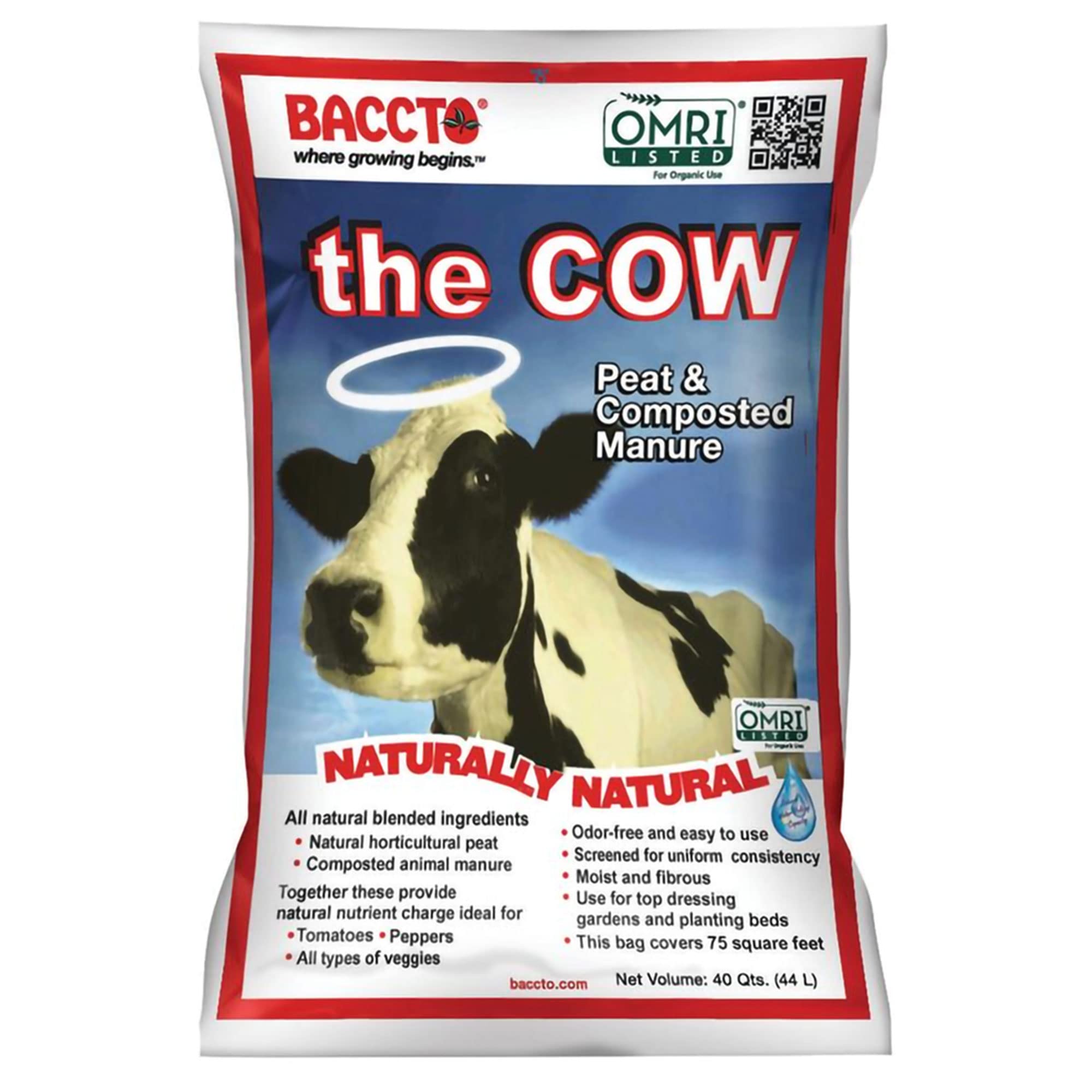
8. Michigan Peat Baccto Wholly Cow Horticultural Compost and …
Who it’s best for
This compost is perfect for both beginner and experienced gardeners. If you want to boost your vegetable garden’s soil quality, this product is a great choice. It works well in containers and raised beds, making it versatile for many garden setups.
Main benefits
- Improves soil structure and drainage.
- Rich in organic matter for healthy plant growth.
- Enhances nutrient retention, providing plants with essential nutrients.
- Safe for all types of vegetables and flowers.
Good to know
- This compost is made from composted cow manure, which is natural and rich in nutrients.
- It can be mixed with native soil or used as a top dressing.
- Keep it moist, but not soaking wet, for best results.
Why we like it
The Michigan Peat Baccto Wholly Cow Horticultural Compost stands out for its quality. It adds vital nutrients while improving soil health. This compost helps create a thriving environment for your vegetables, contributing to bigger yields and stronger plants.
FAQ
Q1: How often should I apply this compost?
A: It’s best to mix it into your soil in the spring and again in the fall for ongoing benefits.
Q2: Can I use it for indoor plants?
A: Yes, it can also be used in pots for indoor plants, but make sure to monitor drainage.
Q3: Is it safe for all vegetables?
A: Absolutely, this compost is safe and beneficial for all types of vegetables.
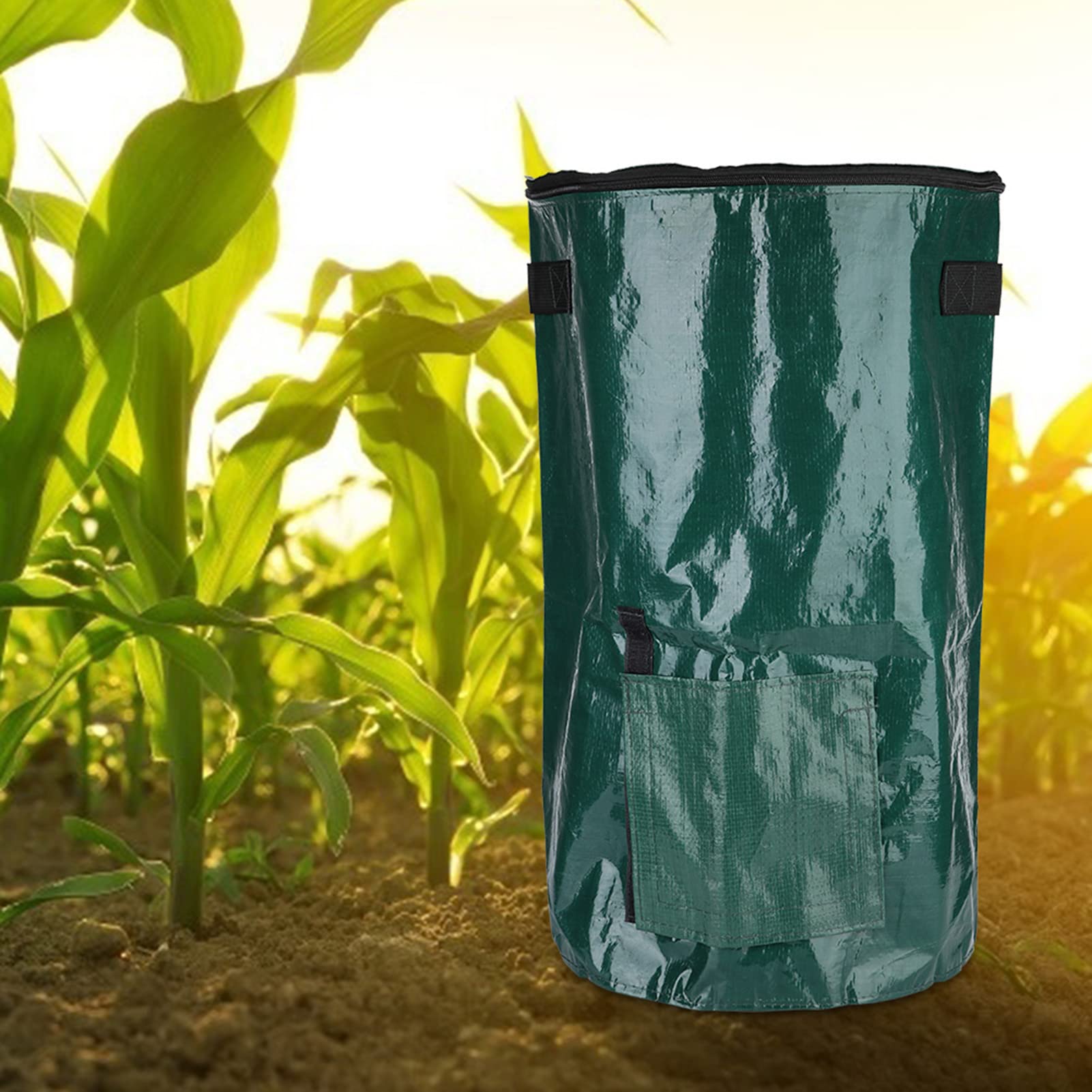
9. Compost Bag for Organic Waste Fermentation, Large Capacity with …
Who it’s best for
This compost bag is perfect for gardeners who want an easy way to manage their organic waste. If you have a vegetable garden and produce kitchen scraps, this bag helps you turn that waste into nutrient-rich compost. It suits both beginners and experienced gardeners.
Main benefits
- Large capacity for more organic materials.
- Easy-to-use design for composting at home.
- Helps reduce waste while enriching your garden soil.
- Durable and sturdy for all weather conditions.
Good to know
- Ideal for kitchen scraps, yard waste, and gardening debris.
- Requires regular mixing for optimal fermentation.
- Check local regulations about composting materials.
Why we like it
We appreciate this compost bag for its user-friendly features and effectiveness in turning waste into compost. It supports a simpler composting process without needing complicated setups. Plus, knowing you’re contributing to a healthier garden and environment makes it even better.
FAQ
Q1: How often should I turn the compost?
A: It’s best to turn it every few weeks to help aerate the materials.
Q2: Can I use this bag for all types of organic waste?
A: Most kitchen scraps and yard waste can go in, but avoid meat or dairy.
Q3: Is it suited for small gardens?
A: Yes, its large capacity is great for small spaces, allowing you to compost efficiently.
10. TOPINCN PE Compost Bag with Big Side Window, Vent, Double …
Who it’s best for
This compost bag is great for gardeners who want an easy way to manage their compost. It’s especially helpful for those with small spaces or those who prefer a contained composting method.
Main benefits
- Big side window allows easy access to see the compost inside.
- Ventilation helps keep air flowing, which speeds up composting.
- Double-layer design adds durability for outdoor use.
Good to know
- It can hold a good amount of compost, making it suitable for various garden sizes.
- Lightweight design makes it easy to move around your garden.
- Easy to clean and maintain for long-lasting use.
Why we like it
The TOPINCN compost bag is user-friendly and efficient. Its design makes it simple to keep your compost organized and easy to monitor. The combination of a big side window and breathable material promotes healthy composting. It’s a practical choice for both beginner and experienced gardeners.
FAQ
Q1: How often should I turn the compost in this bag?
A: It’s good to turn the compost every few weeks to aerate it and help speed up the process.
Q2: Can I use this bag indoors?
A: It’s better suited for outdoor use due to ventilation and odor control.
Q3: What should I avoid putting in the compost bag?
A: Avoid adding meat, dairy, and oily foods as they can attract pests.
How to Choose the Right Bagged Compost
Choosing the right bagged compost for your vegetable garden is important for healthy plants. Look for compost that is dark and crumbly, which indicates it’s well-decomposed.
Check the ingredients. Good compost should contain organic materials like leaves, grass, and vegetable scraps. Avoid those with synthetic fertilizers or chemicals.
- Look for a certified organic label.
- Choose compost that is free of large chunks or debris.
- Consider the nutrient content, such as nitrogen, phosphorus, and potassium.
Finally, read reviews or ask local gardeners about their experiences to find the best option for your needs.
Key Ingredients to Look for in Compost
When choosing the best bagged compost for your vegetable garden, certain ingredients can make a big difference. Look for compost that includes organic matter, which helps improve soil structure and provides nutrients.
Also, check for items like aged manure, worm castings, or plant materials. These add essential nutrients and beneficial microorganisms that support plant growth.
- Organic matter
- Aged manure
- Worm castings
- Leaf mold
- Composted kitchen scraps
Common Mistakes When Using Bagged Compost
One common mistake is using too much compost. Adding too much can overwhelm your plants and lead to nutrient imbalances. A good rule is to mix compost with your soil in a ratio of about one part compost to three parts soil.
Another mistake is using compost that is not fully decomposed. If the compost is still breaking down, it can pull nutrients from the soil, making it harder for your vegetables to grow. Always check for a dark, crumbly texture.
- Not testing soil before adding compost.
- Ignoring the type of plants in your garden.
- Using compost that smells bad, which can indicate problems.
Tips for Applying Compost to Vegetable Gardens
Compost adds nutrients to the soil and helps your vegetables grow. Here are some tips for using it effectively:
- Spread a layer of compost about 2 to 3 inches thick over the soil.
- Work the compost into the top 6 to 12 inches of soil for best results.
- Apply compost in the spring before planting or in the fall to enrich the soil.
- Mix compost with existing soil to help it blend well and improve aeration.
- Avoid piling compost against the stems of your plants to prevent rot.
Remember to use compost that is well-aged for the best benefits in your vegetable garden.
DIY vs. Store-Bought: Which is Better?
When it comes to compost, you have two main options: making your own (DIY) or buying it from the store. Each choice has its own benefits.
DIY compost is often free and allows you to control what goes into it. You can use kitchen scraps and yard waste, which helps reduce trash. However, making compost takes time and effort. You need to turn the pile and wait for it to break down.
Store-bought compost is convenient and ready to use. It can contain a mix of materials that might improve your soil quickly. On the downside, it’s important to check the quality, as some brands may contain additives.
- DIY compost is cost-effective and eco-friendly.
- Store-bought compost is convenient and time-saving.
Frequently Asked Questions About Bagged Compost
Bagged compost is a convenient option for gardeners. It helps improve soil quality and provides nutrients for plants.
When choosing the best bagged compost for a vegetable garden, look for products that are organic and free from chemicals. This ensures that your vegetables grow safely.
- What is bagged compost made of?
- How do I use bagged compost in my garden?
- Can I use bagged compost for all types of plants?
- How often should I add compost to my garden?
Signs You Need to Refresh Your Compost
Over time, compost can lose its effectiveness. If you notice any of the following signs, it may be time to refresh your compost.
- The compost smells bad or has a strong odor.
- You see a lot of pests or insects in the compost.
- The compost is dry and crumbly, lacking moisture.
- It has a layer of undecomposed material on top.
- The compost is not heating up, which means it’s not breaking down properly.
By keeping an eye out for these signs, you can ensure your vegetable garden gets the best nutrients from fresh compost.
Best Practices for Storing Bagged Compost
Store bagged compost in a cool, dry place to keep it fresh. Avoid areas that get too hot or too damp, as these conditions can harm the compost.
Keep the bags sealed until you are ready to use them. This helps to prevent moisture and pests from getting inside.
- Check the bags for any tears or holes.
- Organize bags on a shelf or in a bin to protect them from damage.
- Avoid stacking too many bags on top of each other to prevent crushing.
