

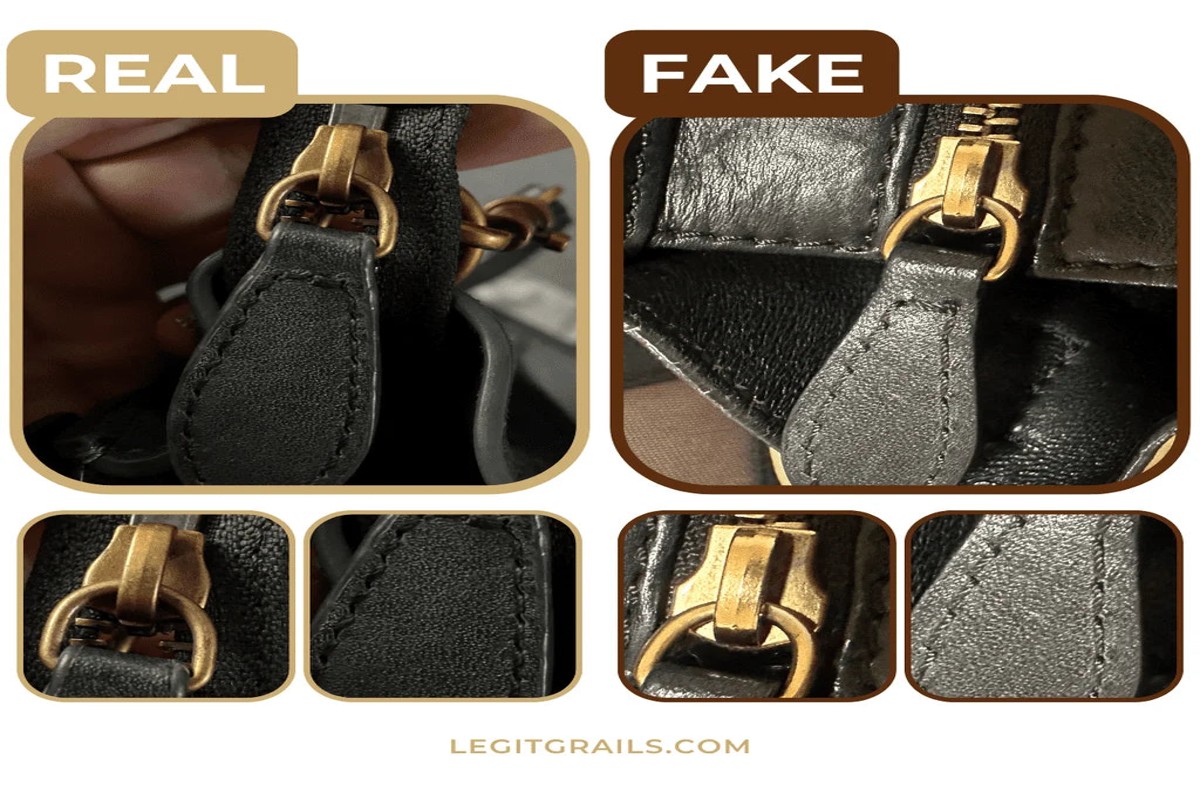
What are fake vs real handbags differences? The differences lie in quality, craftsmanship, and authenticity, which can significantly affect their value and longevity. Understanding these distinctions helps consumers make informed choices when purchasing handbags.
For instance, a real designer handbag often features superior materials and precise stitching, while a fake may have uneven seams and inferior fabric. Knowing these signs can save you money and disappointment in the long run.
When it comes to handbags, the materials used can tell you a lot about whether it’s real or fake. Understanding these differences can save you from making an expensive mistake.
Quality of Materials
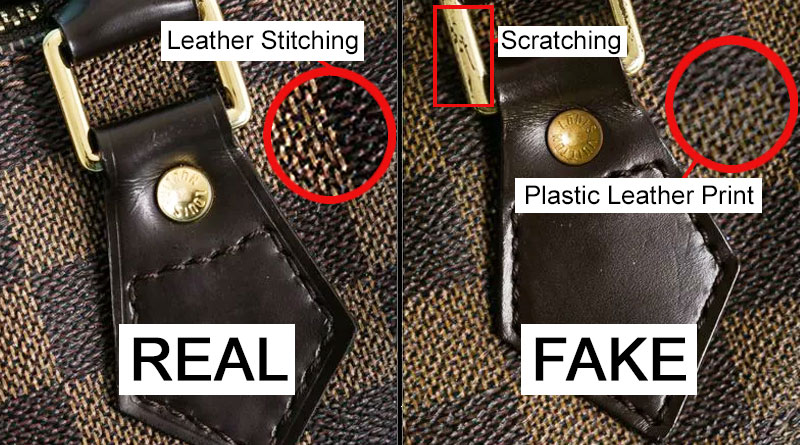
The quality of materials is one of the most significant factors distinguishing fake and real handbags. Genuine leather often boasts a rich texture and a distinct smell that synthetic materials can’t replicate.
Real leather is durable and develops a beautiful patina over time, while synthetic materials tend to wear out more quickly. You might notice that a fake handbag could look shiny and perfect at first, but it often lacks the depth and character of real leather.
Stitching and Seams
Another area where you’ll see differences is in the stitching and seams. High-quality handbags will have precise, even stitching with no loose threads. If you look closely at a fake handbag, you might find uneven stitches or even fraying edges.
For example, a genuine designer handbag will use a technique called “saddle stitching,” which is not only strong but also aesthetically pleasing. In contrast, a fake bag may rely on cheaper, machine-made stitches that can come undone easily.
Durability Over Time
When considering the durability of handbags, real ones tend to last longer than their counterfeit counterparts. Genuine leather can withstand daily wear and tear, while fakes often start showing signs of damage, like peeling or fading, after just a few uses.
Think about it: if you’re investing in a handbag, you want it to last for years, right? A real handbag can be an heirloom piece, while a fake one might end up in the trash after a season.
So, when you’re on the hunt for a new bag, pay close attention to the materials. Knowing what are fake vs real handbags differences can help you make a smarter choice. A little awareness can go a long way!
When it comes to handbags, the difference between fake and real can often be found in the craftsmanship and design. Authentic bags are crafted with precision, while fakes usually cut corners. Let’s dive into what sets them apart.

Craftsmanship and Design
The artistry behind a handbag is what makes it a true luxury item. When you look closely, the attention to detail in stitching, the quality of hardware, and the overall design accuracy all play a crucial role in identifying authenticity.
First off, let’s talk about stitching. Authentic handbags often have impeccable stitching that’s uniform and tight. You won’t find loose threads or uneven lines. For example, a real designer handbag might have a specific stitch count per inch that matches their known quality standards, while a fake might just look like it was put together in a hurry.
Next, consider the brand logos and hardware quality. Real handbags feature logos that are embossed or printed with precision. The material of the hardware is typically of higher quality, often made from solid metals rather than cheap substitutes. If the logo looks off—like the font is wrong or the emblem is poorly placed—it’s likely a fake.
Finally, let’s look at overall design accuracy and symmetry. Authentic bags have a well-thought-out design that balances function and style. They’re symmetrical and proportionate, ensuring that every element aligns perfectly. Fakes, on the other hand, often miss the mark in these areas, which can be a dead giveaway.
When shopping, always inspect the craftsmanship. If you’re considering a purchase, ask yourself: does it have the quality details that real handbags are known for? A little vigilance can save you from falling for fakes.
When it comes to luxury handbags, knowing how to authenticate them is crucial. Many people wonder about the differences between fake and real handbags. Let’s dive into the brand authentication features that can help you spot the real deal.
Brand Authentication Features
Different luxury brands have their own unique ways of ensuring that their products are authentic. By familiarizing yourself with these features, you can make informed decisions when buying a handbag.
One of the first things to look for is the serial number and tags. Most high-end brands include a unique serial number inside their bags, often located on a tag or a stitched label. For example, a Louis Vuitton bag will have a date code that indicates where and when it was made. If a bag doesn’t have a serial number or the number seems off, it could be a red flag.
Another authentication feature to consider is holograms and authenticity cards. Brands like Gucci often include a holographic sticker that changes appearance when viewed from different angles. These small details are difficult to replicate, so if you notice a flat, lifeless sticker, it might signal a fake. Additionally, authenticity cards can provide extra verification, though they shouldn’t be the sole factor in determining a bag’s authenticity.
Lastly, pay attention to unique brand identifiers. Many brands incorporate specific elements into their designs, such as a certain stitching pattern, logo placement, or even the type of hardware used. For instance, Chanel bags often feature a particular quilt pattern and a specific kind of clasp. If these details look off, you might want to take a closer look.
When shopping for a luxury handbag, remember that authenticity is key. Always check for serial numbers, holograms, and unique identifiers to help answer the question: What are fake vs real handbags differences? Trust your instincts and do your research to ensure you’re making a wise investment.
When it comes to handbags, price is often the first indicator of authenticity. Understanding what you’re paying for can help you spot the differences between fake and real handbags.
Price Comparison
Authentic designer handbags typically come with a hefty price tag. These prices reflect the brand’s market value, craftsmanship, and the materials used. On the other hand, replicas are made to look similar but are produced at a fraction of the cost.
The market value of authentic brands is built on years of reputation, quality, and exclusivity. For example, a genuine Louis Vuitton bag can easily cost over a thousand dollars. This price not only covers the brand’s prestige but also the meticulous craftsmanship involved in creating each piece.
In contrast, the cost of production for replicas is significantly lower. Fake handbags are often churned out in factories with cheaper materials and less attention to detail. This means you might find a look-alike bag for under a hundred dollars, but what you’re losing is that luxury feel and durability that comes with a real handbag.
Moreover, the resale value of authentic handbags can be surprisingly high. Many genuine designer bags maintain or even increase their value over time. For instance, a classic Chanel bag could appreciate in value, making it a worthwhile investment. In stark contrast, replicas often have little to no resale value. Once you buy a fake, it’s unlikely you’ll sell it for much, if anything at all.
When considering what are fake vs real handbags differences, always keep the price in mind. A high price tag usually indicates authenticity, while a bargain often signals a replica. So, when you’re shopping, it pays to do your homework and understand what you’re investing in.
When it comes to fake handbags, the legal issues can get pretty serious. Buying or selling counterfeit bags isn’t just a matter of taste; it can have real legal consequences.

Legal Implications of Fake Handbags
Counterfeit handbags infringe on the intellectual property rights of established brands. This means that the designs, logos, and other brand identifiers are legally protected, and counterfeiting is considered a violation of those rights.
Intellectual property laws exist to protect brands from unauthorized use of their creations. If you purchase or sell a fake handbag, you may be unknowingly participating in a crime. Many luxury brands actively pursue legal action against counterfeiters to protect their reputation and revenue. For example, a well-known designer recently filed a lawsuit against several online retailers for selling fake versions of their bags, seeking hefty damages and injunctions to stop the sales.
On top of that, penalties for selling fakes can be severe. If you’re caught dealing in counterfeit goods, you could face fines, civil lawsuits, or even criminal charges. The penalties vary, but they can include significant financial repercussions and, in some cases, imprisonment. Think about it: the thrill of a bargain might not be worth the risk of a court case.
Consumer protection laws also come into play. These laws exist to protect buyers from misleading practices, and selling counterfeit handbags falls under that umbrella. If you buy a fake bag without knowing it’s a counterfeit, you might have grounds to seek a refund or take legal action against the seller. However, if you knowingly purchase a fake, your legal protection is much weaker.
When you’re in the market for a handbag, it’s worth being cautious. Always buy from reputable stores or authorized sellers. If a deal seems too good to be true, it probably is. Being informed about what are fake vs real handbags differences can save you from legal headaches down the line.
Shopping for a handbag can be exciting, but the risk of buying a fake is real. Knowing how to spot the differences can save you money and heartache.
Tips for Spotting Fakes
When you’re out shopping, keep your eyes peeled for certain signs that can help you distinguish between genuine and counterfeit handbags. With a little practice, you’ll be able to identify fakes like a pro.
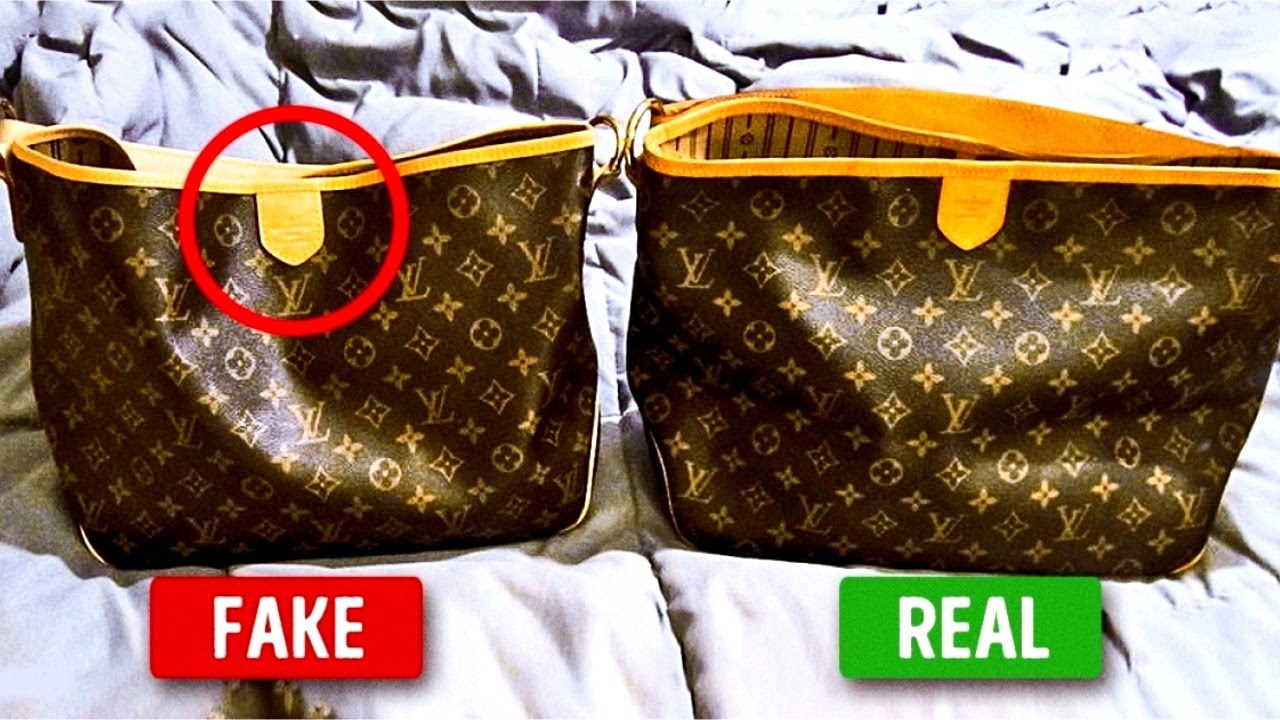
First, examine the materials and craftsmanship closely. Authentic handbags are crafted with high-quality materials that feel luxurious. Check the stitching; if you see uneven threads or loose ends, that’s a red flag. For instance, if you’re eyeing a leather bag, it should feel soft yet sturdy, not flimsy or overly shiny.
Next, do your homework on brand-specific details. Each brand has unique features that can help you identify a fake. For example, luxury brands often have specific logo placements, hardware, and lining patterns. Compare the bag you’re considering with images from the brand’s official website to spot any discrepancies.
Finally, trust your instincts and do your due diligence. If something feels off—like the price being too good to be true—don’t ignore that gut feeling. Always take your time and, if possible, buy from reputable sellers. You wouldn’t want to end up with a fake just because you rushed the purchase!
So, the next time you’re shopping for a handbag, remember these tips to help you navigate the world of luxury accessories. Your wallet and wardrobe will thank you!
